
Overview of Dark Academia
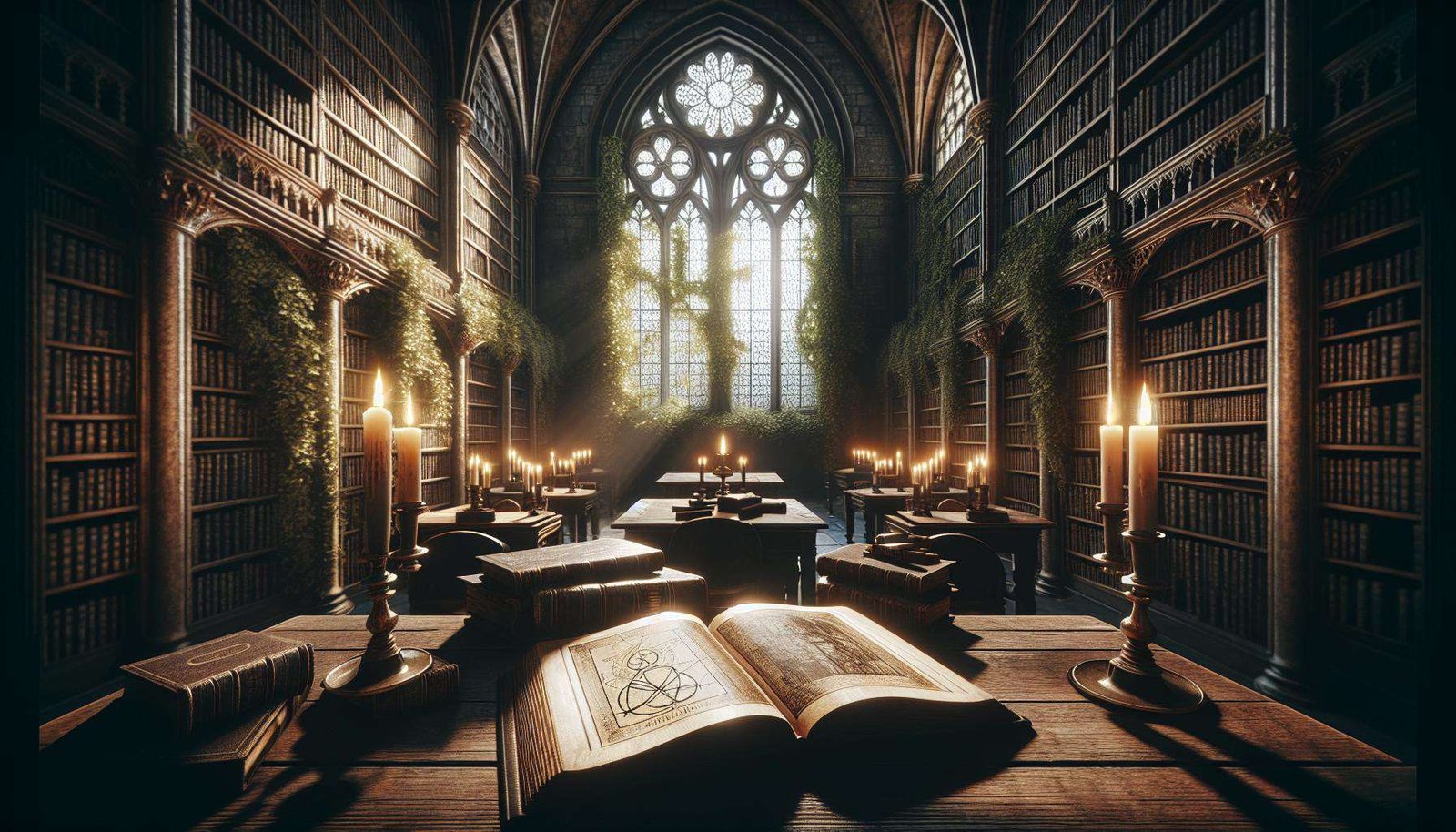
Dark Academia is more than just a style; it’s a lifestyle that romanticizes the pursuit of knowledge and the beauty of classical education. Imagine stepping into a world where candle-lit libraries and ivy-covered buildings reign supreme. This aesthetic invites you to explore the intricacies of literature, art, and philosophy, immersing yourself in a nostalgic embrace of scholarly life.
At its core, Dark Academia celebrates intellectualism. You might find yourself enchanted by the themes of isolation and belonging, much like the characters in your favorite novel. The aesthetic evokes a strong sense of community where like-minded individuals gather to discuss classic texts, art movements, and existential queries over cups of dark coffee. Through shared interests, people form connections that mirror the profound relationships in literature.
The influence of Gothic architecture can’t be overlooked; it provides a majestic backdrop that complements the themes of ambition and moral conflict inherent in works like Mary Shelley’s “Frankenstein.” The grandeur of ancient cathedrals and crumbling universities enhances the sense of urgency in your quest for knowledge.
I suggest you read How to decode the symbolism in gothic literature easily
Within the Dark Academia Codex, you’ll uncover deeper layers of this aesthetic and its rich history. Whether you’re drawn to vintage styles, literary discussions, or the darker themes of existence that challenge societal norms, our site offers a more profound look at what Dark Academia truly means. Explore more in our main sections and blog to fully immerse yourself in this captivating culture.
Themes in “Frankenstein”
Mary Shelley’s “Frankenstein” is rich with themes that resonate deeply within the Dark Academia aesthetic. Two key themes stand out: knowledge and ambition, and isolation and alienation.
Knowledge and ambition
At the heart of “Frankenstein” lies an insatiable thirst for knowledge—a reflection of the Dark Academia Codex. Victor Frankenstein’s relentless pursuit of scientific discovery mirrors the ambitions found in the minds of scholars and creators alike. Think about it; when you jump into your studies, there is that exhilarating rush of uncovering the unknown. For Victor, this pursuit becomes a double-edged sword. His noble intentions spiral into a nightmarish quest that reveals the dark consequences of unchecked ambition.
I suggest you read How to host a gothic literature book club night for eerie fun
Shelley illustrates how the desire to surpass human limits can lead to dangerous obsessions. As readers, we witness Victor transform from a curious student to a man consumed by guilt and remorse. Much like the characters in your favorite Gothic literature, his ambition leads to catastrophic results, reminding you to tread carefully on the path of intellectual exploration.
Isolation and alienation
Isolation permeates “Frankenstein,” echoing the feelings of many who find themselves absorbed in the intricacies of academia. The novel paints a chilling portrait of both Victor and his creation, showcasing their profound alienation. Just like the hauntingly beautiful yet lonely hallways of ivy-clad universities, Victor’s quest isolates him from his loved ones, driving him deeper into despair.
The Creature, often seen as an outcast, embodies the agony of being misunderstood and rejected. You might find this theme relatable—when you immerse yourself in your studies, are there moments when you feel disconnected from the world around you? Shelley’s narrative touches on these universal emotions, reminding us of the importance of human connection even amidst the pursuit of knowledge.
I suggest you read Edgar allan poe’s most chilling tales ranked: uncover the horror
Explore more on Dark Academia Codex to investigate deeper into the complexities of isolation and ambition in literature. Your understanding of these themes will enhance your appreciation for the rich world of Dark Academia.
Character Analysis
In “Frankenstein,” the characters embody the essence of the Dark Academia aesthetic. Each character provides a different lens through which to explore the philosophical questions posed by Mary Shelley. Let’s dive deeper into the complexities of Victor Frankenstein and his creation.
Victor Frankenstein
Victor embodies the archetype of the ambitious scholar consumed by his quest for knowledge. His relentless pursuit of understanding leads him to challenge natural boundaries, mirroring the ideals found in the Dark Academia Codex. Picture Victor as that overzealous student in a candle-lit library at midnight, fueled by caffeine and a hunger for revelation. But, his ambition turns into a tragic flaw. He loses himself to the obsession of reanimating life, which clouds his judgment and eventually leads to ruin. This makes you wonder—what are the costs of knowledge? When does the pursuit of enlightenment become a vanity? Victor’s isolation mirrors the withdrawal that many in the academic world might experience when consumed by their intellectual passions.
The creature
The creature, often misunderstood, serves as a poignant reflection of societal rejection and the consequences of unchecked ambition. He longs for connection yet finds only fear and disdain from those who encounter him. His experiences echo the isolation often felt in Dark Academia circles—intellectually rich but emotionally starved. The creature’s tragic existence raises critical questions about the responsibilities creators hold towards their creations. Think of him as a dark shadow lurking in the echoing halls of a grand university, longing for companionship yet forever ostracized. This relationship became a powerful commentary on the loneliness tied to the pursuit of knowledge, pushing readers to empathize with his plight. Exploring the depths of both characters invites you to reflect on your own academic journey. Dive deeper into the exploration of these characters and themes as you navigate through the rich content of Dark Academia Codex.
Literary Style and Techniques
Mary Shelley’s “Frankenstein” embodies the essence of Dark Academia through its masterful use of language, style, and thematic techniques. The novel captures the romantic and gothic elements that resonate deeply within the Dark Academia aesthetic, inviting readers to immerse themselves in a world where knowledge and beauty intertwine with existential dread.
Gothic elements
The Gothic elements in “Frankenstein” are beautifully woven throughout the narrative. From the dark settings of abandoned laboratories to the eerie landscapes of the Alps, Shelley crafts an atmosphere thick with tension and emotional depth. The novel features shadowy castles and ancient ruins, evoking a sense of nostalgia and mystery. This architecture reflects the Romantic ideals of the era, emphasizing the conflict between nature and human ambition. Such settings not only enhance the aesthetic but also align perfectly with the Dark Academia Codex, which values beauty in complexity and struggle. These elements beckon you to confront the darker sides of intellectual pursuit, where ambition can lead to isolation and despair.
Symbolism
Symbolism runs rampant in “Frankenstein,” amplifying its themes of knowledge and moral ambiguity. The creature itself becomes a potent symbol of society’s rejection of those who seek to push boundaries. He represents the struggles faced when intellectual pursuits clash with societal norms. Besides, the contrasting imagery of light and dark in the novel serves to explore enlightenment and ignorance, emphasizing the duality of knowledge as both a gift and a curse. Think of Victor’s laboratory lit by candlelight, a symbol of enlightenment, but also a harbinger of darkness as it leads to tragic consequences. In engaging with these symbols, you can dive deeper into the narratives of ambition and consequence that are so prevalent in the Dark Academia philosophy.
If you find these themes compelling, I encourage you to explore more about Dark Academia through our main sections and blog—jump into the aesthetic that appreciates the beauty and complexity of knowledge.
Historical Context
Understanding the historical backdrop of “Frankenstein” enriches your appreciation of the novel’s themes and its place within the Dark Academia aesthetic. It’s more than just a story; it embodies the spirit of its time, particularly in how it connects to the philosophies and cultural movements that shaped the 19th century.
The romantic era
The Romantic Era brought forth a passion for emotion, nature, and individualism. In this period, intellectuals and artists rebelled against the industrial age’s rigidness. They sought inspiration from nature and the human experience, celebrating the individual’s potential and the darkness that often accompanies it. Mary Shelley, as a prominent figure of this period, explored the dualities of ambition and consequence in “Frankenstein.” The novel captures the essence of Romanticism; it highlights the dangers of unrestrained intellectual curiosity while still immersing you in the beauty of knowledge. Victor Frankenstein’s tragic pursuit is an echo of the Romantic goal: to explore the unknown, yet it serves as a cautionary tale within the Dark Academia Codex. You see both the brilliance of creativity and the shadows it casts.
Influence of science
Science was undergoing a profound transformation during Shelley’s time. The Enlightenment had sparked a wave of inquiry, and the quest for knowledge became a double-edged sword. On one side, advancements in understanding the natural world promised progress and innovation. On the flip side, this relentless pursuit raised ethical questions about creation and life itself. In “Frankenstein,” Victor embodies this tension. His experimentation mirrors the excitement of scientific discovery yet leads to disastrous outcomes. The novel prompts you to consider where scientific ambition might lead without moral considerations. It captures that fine line between genius and madness—an essential theme in Dark Academia.
If you’re intrigued by these historical influences, dive deeper into the Dark Academia Codex. Explore how these elements inform your understanding of literature, art, and the beauty of academic life.
Comparison to Other Dark Academia Novels
When you jump into the world of Dark Academia literature, “Frankenstein” stands out as a quintessential piece among its peers. This novel not only embodies the aesthetic but also draws you into a labyrinth of complex themes and rich character exploration. Comparing it with other popular Dark Academia novels such as “The Secret History” and “If We Were Villains,” you’ll see that while they share an appreciation for intellectualism and moral ambiguity, “Frankenstein” takes it a step further by intertwining nostalgia with profound ethical questions.
Similarities and differences
Both “Frankenstein” and “The Secret History” celebrate the dark allure of knowledge and the consequences that come from pursuing it. Each narrative showcases characters who grapple with their ambition, yet Shelley’s work uniquely intertwines a Gothic atmosphere that heightens feelings of isolation and alienation. On the flip side, while “The Secret History” tends to focus on moral dilemmas among a close-knit group of students, “Frankenstein” delves into the solitary struggles of an individual—Victor Frankenstein and his creation. This duality presents a more personal conflict, elevating it within the Dark Academia Codex. You might appreciate how Shelley’s narrative illustrates not just ambition but the haunting echoes of responsibility and consequence.
Strengths and weaknesses
“Frankenstein” excels in its ability to evoke a sense of dread and wonder, immersing you in a world where the pursuit of knowledge is both thrilling and terrifying. The vivid Gothic settings and the emotional depth of the characters create a compelling narrative. But, some might argue that its pace is slower compared to the more contemporary thrillers in the genre. While it beautifully captures the essence of Dark Academia—the way the quest for wisdom can lead to dark places—it can feel less accessible to readers who prefer more action-driven plots.
Eventually, the weighty themes and rich aesthetics make “Frankenstein” a powerful entry in your Dark Academia reading list. If you’re intrigued, explore more about this genre and other notable works on our website, where the beauty of classical learning and literature awaits your discovery.
Personal Reflections and Impact
“Frankenstein” lingers in your mind long after you put it down. Its themes resonate deeply, capturing emotions tied to ambition and isolation that many experience during their academic journeys. You can relate to Victor Frankenstein’s passionate pursuit of knowledge and the haunting consequences that arise from it. His journey feels like a cautionary tale about the darker side of intellectual exploration, echoing sentiments many in the Dark Academia community understand.
Emotional resonance
When you investigate into “Frankenstein,” the emotional depth strikes a chord. The creature’s loneliness and yearning for companionship reflect your own academic struggles. Just as he grapples with rejection, you might also find yourself dealing with the isolation that can come from pursuing lofty dreams. This connection between intellect and emotional turmoil reveals the heart of Dark Academia—the longing for knowledge entwined with the reality of being misunderstood. As the tale unfolds, you can’t help but feel compassion for both Victor and his creation, recognizing that their fates are a reflection of a very human experience.
Lasting influence on literature
“Frankenstein” has carved its place as a cornerstone of literary canon, shaping the narrative structures and themes of countless works that followed. You might see echoes of its influence in modern Dark Academia novels, where the quest for knowledge often leads characters down paths of moral ambiguity. The ethical dilemmas in “Frankenstein” resonate in stories like “The Secret History” and “If We Were Villains,” showcasing how the shadows of ambition can distort even the purest of intentions. This lasting legacy underlines how the Dark Academia Codex continues to evolve, illustrating the timeless relevance of Shelley’s work.
For more insights into the intimate connections between literature and the Dark Academia aesthetic, explore our blog and main sections. Dive deeper into how these themes shape not just your reading experience but also your own academic journey.
“Frankenstein” stands as a timeless testament to the allure of Dark Academia. Its rich themes of ambition isolation and the pursuit of knowledge resonate deeply with anyone who’s ever felt the weight of their intellectual journey. As you jump into this classic tale you’ll find yourself reflecting on your own experiences with creation and consequence.
The novel’s gothic atmosphere and complex characters invite you to explore the fine line between genius and madness. So whether you’re wandering through candle-lit libraries or grappling with your own academic challenges “Frankenstein” will always remind you of the darker side of knowledge and the beauty that lies within the struggle. Immerse and embrace the journey.
