
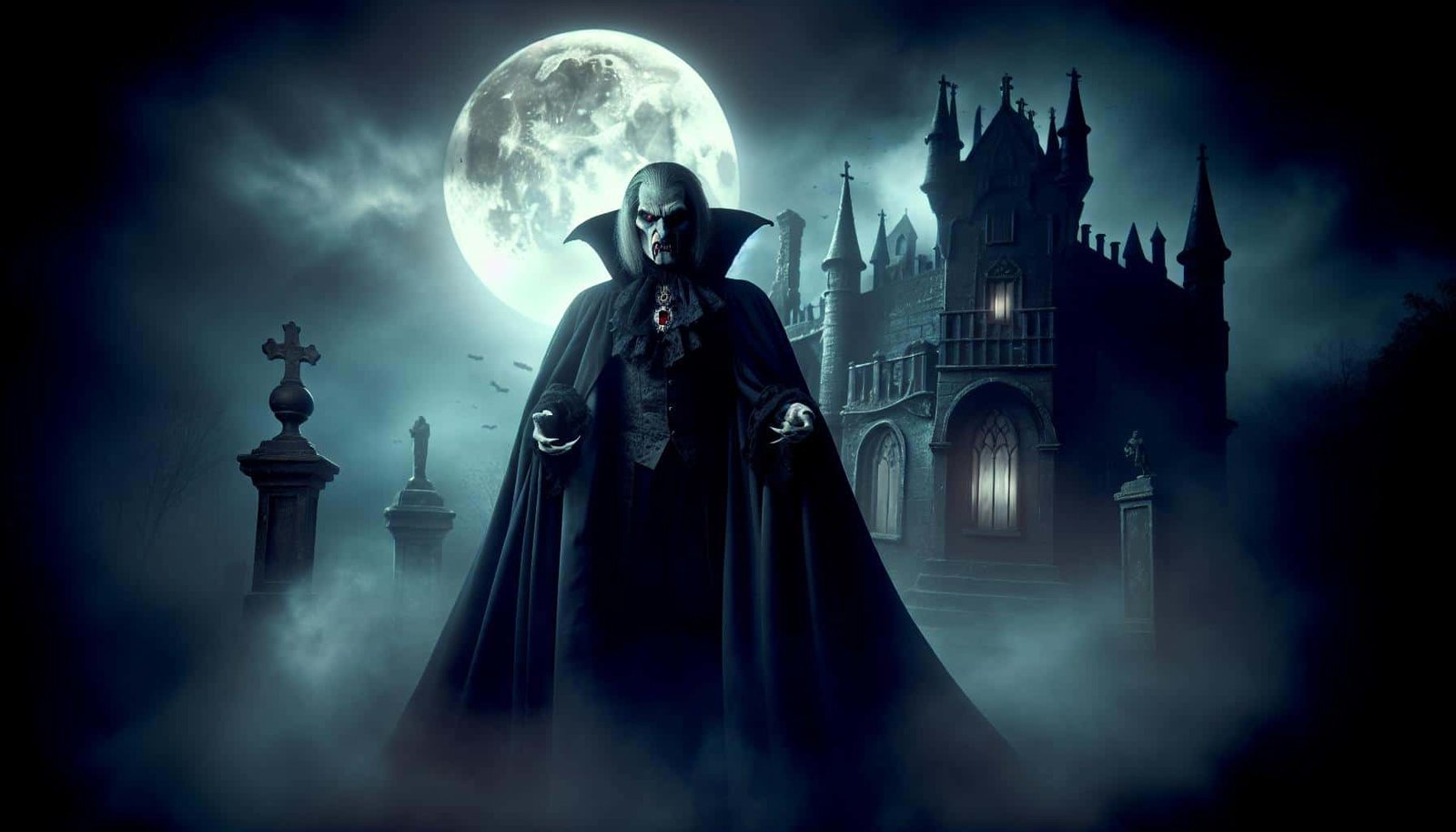
Overview of Dracula’s Legacy
Bram Stoker’s “Dracula” goes beyond a mere horror tale; it represents an intricate world of fear and fascination woven into the fabric of literature. This Victorian masterpiece carved its mark on the horror genre and also influenced cultural perceptions of vampires. The character of Count Dracula embodies the chaos and dread lurking beneath polished society’s surface, serving as a reminder of primal fears waiting in the shadows.
The novel’s legacy is also entwined with the aesthetic values of Dark Academia. Much like Dark Academia’s appreciation for classic themes, “Dracula” thrives on intellectual curiosity, emphasizing themes of knowledge versus ignorance. Just as you might find beauty in dusty tomes of classic literature, the story invites readers to explore the terrifying yet captivating world of the unknown.
Modern vampires often lose this dark essence, often portrayed as brooding heroes or romantic figures, which diminishes their terror. In contrast, Dracula represents an entity that embodies the fear of the unknown—he is both repulsive and irresistible. By revisiting Stoker’s work, you can immerse yourself in the chilling atmosphere that modern adaptations often miss.
I suggest you read 5 gothic classics that will haunt your dreams forever
So why not dive back into the pages of “Dracula”? You’ll not only appreciate its storytelling but also gain insights that resonate within the Dark Academia aesthetic. Explore our site for more literary explorations that celebrate the eerie beauty of this enduring legacy.
Characteristics of Dracula
Bram Stoker’s portrayal of Dracula remains a chilling reminder of the classic horror genre. His character embodies the fears and anxieties of a Victorian audience while still resonating with contemporary readers. Let’s investigate into what makes Dracula unique.
The classic portrayal
Count Dracula is the quintessential vampire. His characterization deviates from modern depictions often romanticized by Hollywood. Stoker’s Dracula is a predatory figure who instills immediate fear. With his aristocratic demeanor and an unsettling presence, he evokes a sense of the uncanny, underscoring the moral decay behind his charm. This classic portrayal is not just about the fang marks on the neck; it’s about the violation and manipulation of the innocent.
I suggest you read Gothic literature’s influence on modern pop culture revealed
In contrast to the brooding, misunderstood vampires of today, Dracula represents the chaos and darkness lurking beneath a polished society. Picture him in his Transylvanian castle: a shadowy figure cloaked in mystery and menace. This atmosphere of dread illustrates the age-old anxieties about the unknown, which are often lost in modern narratives. The timeless nature of his terror continues to captivate audiences. It prompts you to think about the dangers that lie in the shadows of your own world.
Psychological horror elements
Dracula taps into psychological horror in a way that resonates with the deepest fears of humanity. He plays a psychological game, manipulating his victims’ minds and desires. Take Lucy Westenra, for example. Her transformation from a vibrant young woman into a pale imitation of herself illustrates the theme of lost innocence. It’s a metaphysical battle between knowledge and ignorance, much like the philosophical discussions cherished in Dark Academia Codex.
This exploration of fear extends beyond physical danger; it probes into the psyche of its characters and, by extension, the reader. The dread of losing control over one’s own existence weighs heavily in the narrative. The blend of the supernatural with the very human emotions of desperation and longing builds an unsettling tension. As you read, you may find yourself reflecting on the darker aspects of your own desires, questioning what lies just beyond the veil of civility.
I suggest you read Why ‘frankenstein’ is the ultimate dark academia novel now
If you’re intrigued by how Dracula weaves these elements into the fabric of horror, you’ll want to dive deeper. Check out more on the intricate themes within Dark Academia to reveal the layers of fear and fascination that echo through time.
Modern Vampires: A Shift in Representation
Modern vampires often take on a persona that strays from the terrifying roots established by Bram Stoker’s “Dracula.” They’re frequently portrayed as brooding heroes, filled with angst and romantic intrigue. This shift focuses on their struggles with identity, love, and morality—an angle that can feel far removed from the primal fear found in Stoker’s work. The captivating allure of these vampires often overshadows their predatory nature, creating a disconnect from the fear and dread inherent in the original tales.
Popular modern vampire archetypes
In movies and literature today, you might encounter various vampire archetypes that redefine traditional characteristics. Think of Edward Cullen from “Twilight” or the charming vampires from “The Vampire Diaries.” These characters embody traits that make them more relatable and less menacing—dealing with teenage angst or complex love triangles. They appeal to a modern audience seeking emotional depth rather than horror. This not only softens their fearsome image but also blends their dark allure with romance and adventure, inviting you to root for their humanity rather than recoil in fear.
The evolution of vampire myths
The mythology surrounding vampires has dramatically evolved over the decades. Originally steeped in folklore and fear, modern interpretations navigate through themes of love, redemption, and even humor. Early vampires, like Stoker’s Dracula, were symbols of dread and danger hidden behind aristocratic charm. Nowadays, they often navigate social complexities and personal struggles, making them more accessible to audiences. For instance, the vampires in Anne Rice’s works are portrayed with depth and philosophical angst, encouraging readers to explore the moral ramifications of immortality. This evolution reflects a societal change—one where fear is often replaced with empathy.
Why Dracula Remains Scarier
The essence of Bram Stoker’s original “Dracula” resonates deeply with readers today. Unlike the modern vampires that often grace screens, Dracula embodies a raw terror that’s hard to shake off. This classic taps into timeless themes of fear and morality that continue to haunt us.
Timeless themes in dracula
At the heart of “Dracula” lie themes that have stood the test of time. Fear of the unknown is one. Dracula isn’t just a creature of horror; he represents the darkness lurking in society’s shadows. This contrasts sharply with contemporary vampires who often serve as reflections of our romantic desires and human struggles. Remember how Lucy Westenra’s transformation serves as a poignant reminder of vulnerability? It’s this juxtaposition of innocence corrupted that truly scares you.
Also, themes like knowledge versus ignorance capture the fierce intelligence of Dracula. He lures his victims not just physically but intellectually, preying on their naivety. The classic’s exploration of these motifs aligns well with the Dark Academia Codex, where the pursuit of knowledge intertwines with darker explorations of human nature. Engaging with Stoker’s work provides you with a fresh lens through which to examine not just literature but the human psyche itself.
The element of mystery and fear
“Mystery” is another vital element that contributes to the timeless fear of “Dracula.” Stoker skillfully weaves an aura of suspense that keeps you on the edge of your seat. Each turn of the page deepens the intrigue, pulling you into Dracula’s chilling world. He is not merely a monster; he is the enigma that encapsulates society’s sins and fears.
When you think of contemporary vampires, like those in “Twilight,” they often lack this enigmatic quality. They are relatable, focused on love and angst, which can dilute the true essence of horror. In contrast, Stoker’s Count Dracula stands as a shadowy figure who thrives in the mysteries of darkness. This complexity makes you ponder deeper moral questions while simultaneously feeling the chill in the air.
Discovering how these elements intertwine within the fabric of Dark Academia can provide you with insights you never considered before. So jump into Stoker’s haunting narrative and explore more about the aesthetic that celebrates the complex juxtaposition of fear and fascination.
Cultural Impact and Relevance
Bram Stoker’s “Dracula” has left an indelible mark on culture that transcends time, resonating with readers and creators alike. Its influence shapes our understanding of vampires, fear, and the darker aspects of human nature.
Enduring influence in pop culture
The legacy of “Dracula” thrums in the background of modern pop culture. From the ominous notes of a horror soundtrack to the brooding atmospheres of films and novels, the essence of Stoker’s creation persists. You can spot Dracula’s impact in everything from classic movies to contemporary series, where brooding vampires often reflect the original’s themes of dread and moral decay. It’s like the core principles of Dark Academia; the allure of knowledge is framed by the shadows of ignorance and fear. Stoker’s exploration of these themes empowers storytellers to craft nuanced narratives that echo the complexities of the human experience. So when you read or watch modern vampire tales, ask yourself—what echoes of Dracula linger in these stories?
Adaptations and interpretations
Countless adaptations of “Dracula” showcase its continuing relevance, each interpreting the tale through new lenses. Variations range from faithful retellings to whimsically modern-day settings. Every adaptation peels back a layer of Stoker’s complex character, revealing modern fears and societal issues. Think about how a character like Dracula reflects fears of the outsider and unchecked desires, while adaptations often update this lens to explore contemporary themes like identity, love, and redemption. Each new version can reveal what resonates with today’s audiences, making his story feel fresh yet hauntingly familiar. Exploring these interpretations can deepen your appreciation for Stoker’s original work. So why not jump into this world? Check out the rich discussions on Dark Academia Codex for more fascinating insights and expand your understanding of the connections between classics and modern storytelling.
Comparison to Modern Vampires
When you consider the vampire mythos, Bram Stoker’s “Dracula” remains a haunting figure that resonates through time. In contrast to modern vampire representations, it’s fascinating to explore the strengths of Dracula’s character and the limitations of today’s narratives.
Strengths of Dracula’s character
Count Dracula is no ordinary vampire; he embodies a complex mix of charm, intelligence, and primal fear. His predatory nature is enveloped in an aristocratic veneer that makes him both alluring and terrifying. Unlike modern vampires who often stoop to being mere brooding heartthrobs, Dracula’s psychological manipulation showcases a dark sophistication. Just look at the way he toys with Lucy Westenra’s mind, illustrating how he holds a mirror to her innermost desires and fears. This depth entices readers to investigate deeper into the narrative. The moral decay that lurks behind his charm ties in seamlessly with the themes explored in the Dark Academia Codex, inviting you to ponder the chaos underneath society’s polished surface. Dracula is the archetype of dread; he makes you confront the things you fear the most.
There’s something about Dracula that just sticks with you. His blend of charm and terror taps into fears that are still relevant today. While modern vampires can be relatable and even romantic, they often lose that edge of true horror that makes you shiver.
Revisiting Stoker’s classic not only reminds you of the darker side of the vampire myth but also invites you to explore the complexities of fear and morality. So next time you think of vampires, consider going back to where it all started. You’ll find a chilling experience that modern tales just can’t replicate.
