
Understanding Gothic Novels
Gothic novels serve as gateways into dark, twisted realms where psychological depth and eerie settings collide. You can lose yourself in their atmosphere, where isolation and madness linger in every shadow.
Key characteristics
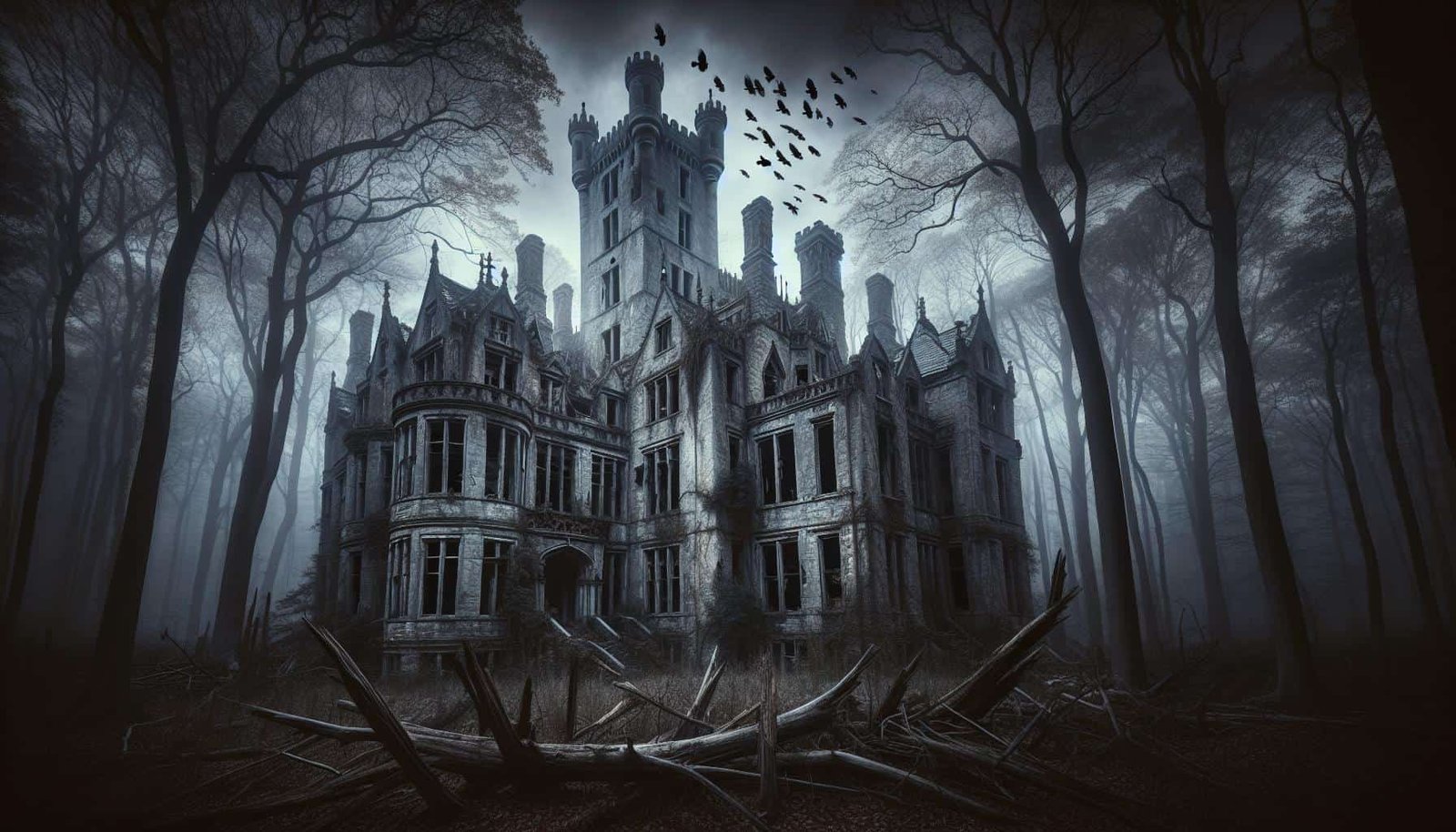
Gothic novels often showcase several defining traits. You’ll notice gloomy settings like decaying castles or remote landscapes that heighten the sense of dread. Unreliable narrators frequently inhabit these tales, leading you to question what’s real. The presence of the supernatural, representing deeper fears or desires, adds another layer to the narrative. Characters grapple with their obsessions, showcasing themes of madness and moral ambiguity. These elements create an intricate world that draws you in, urging you to confront your own fears while exploring the complexities of human emotion.
Notable authors and works
Numerous authors have shaped the gothic genre, each leaving a distinctive mark. Mary Shelley’s Frankenstein invites you to explore the consequences of unchecked ambition. Bram Stoker’s Dracula introduces the tension between desire and fear, while Edgar Allan Poe delves into the psyche with chilling works like The Tell-Tale Heart. These stories illustrate how gothic literature melds beauty with darkness. You’ll find parallels between gothic themes and the rich aesthetic of Dark Academia, where the pursuit of knowledge resides alongside the exploration of morbidity and despair. Jump into these authors and their works to experience the enchanting world of gothic literature, adding depth to your understanding of the genre.
I suggest you read Unraveling the mysteries of ‘the yellow wallpaper’ today
Explore more about gothic nuances, authors, and interpretations throughout Dark Academia Codex for further insights and inspiration.
Themes in Gothic Literature
Gothic literature explores profound themes that resonate with the intricacies of human emotion and the darker corners of the psyche.
Isolation and madness
Isolation often fuels madness in gothic novels. Characters frequently find themselves in bleak environments—remote castles, eerie forests, or trapped in their own minds. These settings amplify feelings of loneliness and despair. For instance, in works like Wuthering Heights, the desolate moors mirror Heathcliff’s emotional turmoil, showcasing how isolation can distort one’s perception of love and revenge.
I suggest you read 7 gothic heroines who broke all the rules and defied norms
Madness manifests as characters grapple with their inner demons. Think of Poe’s narrators, whose descent into insanity provides chilling insights into human vulnerability. It’s this interplay between solitude and psychological unraveling that invites you to question the fragile nature of sanity. As you navigate these narratives, consider how isolation shapes identity and drives individuals toward their fates.
The supernatural
The supernatural stands as a hallmark of gothic literature, often challenging your understanding of reality. Ghosts, phantoms, and otherworldly beings drift through these stories, blurring the lines between the living and the dead. In Dracula, the eerie presence of Count Dracula evokes terror while challenging societal norms. Here, the supernatural embodies repressed fears and desires—the essence of Dark Academia Codex.
Tales steeped in the supernatural create a haunting ambiance. Dark corners, flickering candlelight, and ominous whispers enhance the atmosphere, making the mundane appear menacing. By examining these elements, you engage with deeper existential questions about mortality and the unknown. The supernatural doesn’t merely exist to frighten; it elevates themes of memory, loss, and longing, inviting you to reflect on your own fears.
I suggest you read Secrets hidden in gothic castle architecture revealed here
Tips for Surviving a Gothic Novel
Exploring the intricate area of gothic novels can be thrilling yet daunting. Here are some tips to help you immerse yourself fully in these captivating tales.
Embrace the atmosphere
Atmosphere is a defining feature of gothic literature. Picture dark castles looming against stormy skies, shadowy woods whispering secrets, and flickering candlelight casting eerie shadows. Allow yourself to soak in these details. Read with your senses engaged, imagining the scent of damp stone and the echo of distant thunder. You can enhance the experience by creating your own atmospheric setting: dim the lights, play haunting music, or even brew a cup of tea. This engagement transforms reading into a sensory journey. Immerse yourself, and you’ll find the feels of isolation and suspense resonate more profoundly with each turn of the page.
Analyzing Gothic Settings
Gothic settings create a palpable tension, inviting you into a world filled with intrigue and unease. The interplay between the environment and emotional nuance enriches your reading experience, allowing for a deeper understanding of the narrative.
The role of architecture
Architecture in gothic novels serves as more than just a backdrop; it’s a character in its own right. Think of the towering cathedrals, decaying castles, and shadow-laden mansions — each structure evokes a sense of history, mystery, and sometimes foreboding. These buildings often reflect the psychological states of characters. For instance, the crumbling walls of a once-grand estate can symbolize decay in both the physical and mental realms. You can almost hear the echoes of past lives and lingering secrets. When you immerse yourself in these spaces, you’re not just observing; you’re experiencing the weight of history and the tension built by architectural design.
Symbolism in nature
Nature in gothic literature often mirrors the tumultuous emotions of characters. Imagine a storm brewing just as a character faces moral dilemmas, emphasizing their inner struggles. Dark forests shrouded in fog and twisted branches create an atmosphere of dread, inviting your imagination to explore the unseen. Through symbolism, elements like shadows and light play crucial roles. For example, a fleeting ray of sunlight might hint at hope amid despair. The ever-present contrast between the natural world and the dark themes of the narrative enhances your emotional connection to the story.
Feeling drawn to the layers of meaning in gothic settings? Jump into the main sections of the site to explore more about the captivating world of Dark Academia and its intertwining themes.
Diving into a gothic novel is like stepping into a shadowy dream where every page pulls you deeper into a world of mystery and emotion. Embrace the chills and thrills that come with the territory.
By creating your own atmospheric reading nook you can enhance the experience. Let the eerie settings and complex characters sweep you away. Each story offers a chance to explore your own fears and curiosities.
So grab a classic or discover a new favorite. The gothic area awaits you with open arms and a haunting whisper. Happy reading!
