
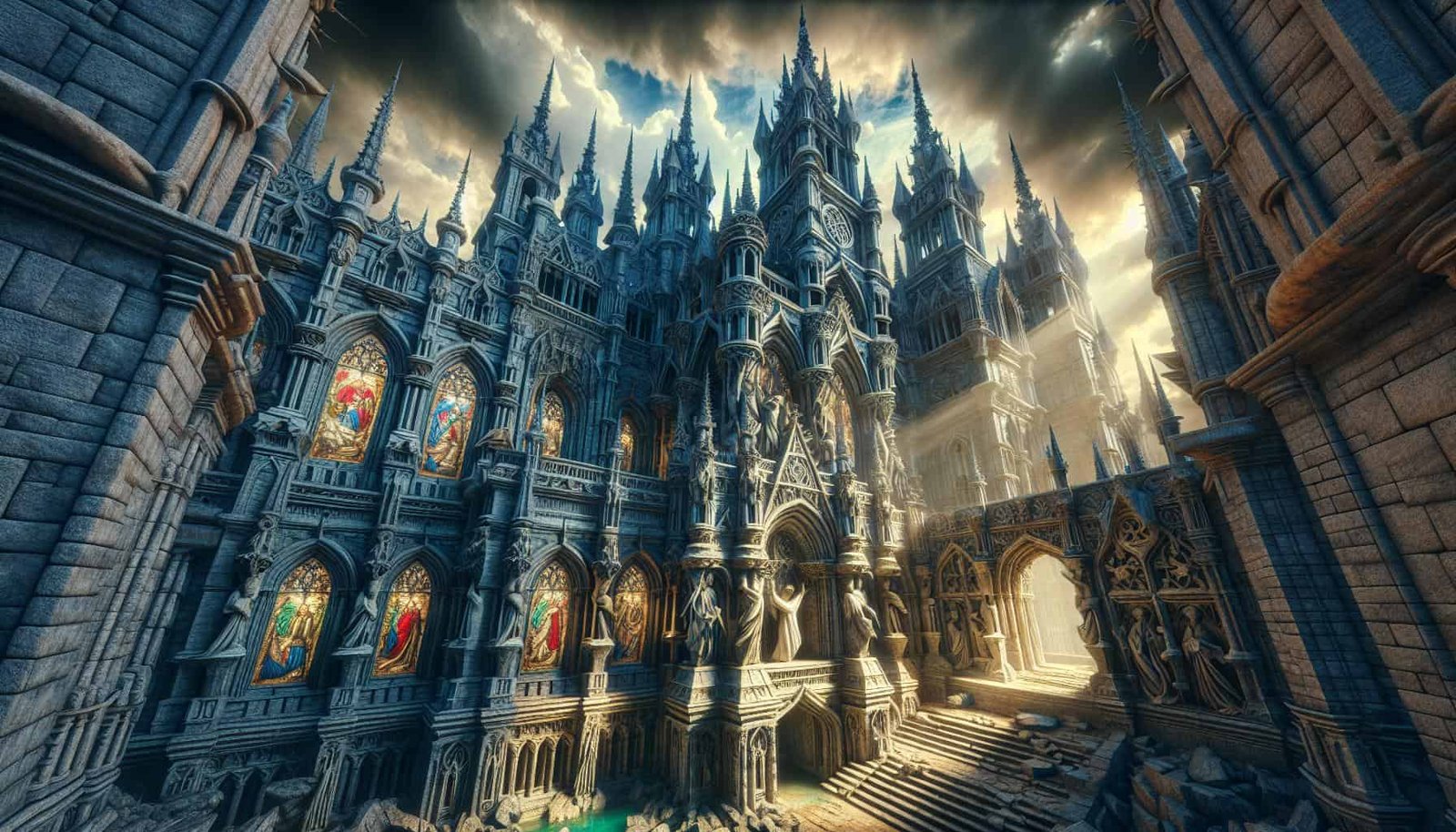
Secrets Hidden in Gothic Castle Architecture
Gothic castle architecture is steeped in secrets, revealing layers of history and meaning. You might notice the imposing spires that reach for the heavens. These aren’t just for aesthetics; they symbolize the connection between the earth and the divine, urging you to ponder the spiritual significance behind the structure.
Look closely at the intricate stone carvings scattered throughout these castles. The grotesques and gargoyles serve a dual purpose: warding off evil spirits while also acting as a commentary on humanity’s darker side. They reflect the philosophies of Dark Academia, where art and literature intertwine with deeper, often somber themes.
Explore the layout and design of the castles. The labyrinthine corridors and secret passageways were more than mere architectural choices; they provided refuge during sieges. These hidden routes tell stories of bravery and survival, echoing the tales of scholars who sought knowledge in shadowy libraries.
I suggest you read The dark side of Jane Austen you never knew about revealed
Pay attention to the stained glass windows, too. Each panel tells a story, often depicting saints or biblical scenes. The play of light filtering through these artworks creates a mystical atmosphere, inviting you to reflect on the intersection of history, faith, and art—core elements of Dark Academia.
By uncovering these secrets, you dive deeper into the captivating world of Gothic castles, where every stone holds a story. If you’re eager to learn more about the aesthetics and philosophies inspired by Dark Academia, explore the main sections of the Dark Academia Codex for further insights.
Understanding Gothic Castle Architecture
Gothic castle architecture captures a unique blend of beauty, complexity, and historical significance that reflects its era. Each aspect of these structures carries layers of meaning, connecting you to the rich world of the past.
I suggest you read Gothic romance vs. horror: what’s the key difference explained?
Historical background of Gothic architecture
Gothic architecture emerged in the 12th century, primarily in France, evolving through the Renaissance. This style revolutionized the way buildings were constructed, moving away from Romanesque solidity towards a focus on height and light. It’s fascinating to think that these castles were not just fortresses; they were also centers of scholarship and art, a hallmark of what we cherish in Dark Academia. You might find it interesting that many Gothic works aimed to inspire awe and spirituality, mirroring the era’s philosophical ideas. As you explore these structures, consider how they express societal changes and the quest for knowledge amidst evolving cultural landscapes.
Key features of Gothic design
Gothic design is characterized by numerous distinctive features that invite your curiosity. Think of soaring spires reaching for the heavens and the intricate beauty of stained glass windows that turn sunlight into vibrant storytelling. You can’t ignore the ornate stone carvings and gargoyles, which not only serve as decoration but also as protectors against evil spirits. The labyrinthine corridors within these castles echo secrets and stories of their inhabitants, beckoning you to imagine the lives once lived here. The blend of beauty and darkness in these elements showcases the complexity of human experience, a theme that resonates with the Dark Academia aesthetic. As you explore Gothic architecture further, consider how it reflects both the pursuit of knowledge and the darker themes prevalent in literature and art.
For deeper insights into the world of Dark Academia, jump into the main sections of our site and discover a wealth of articles that celebrate classical learning and artistry.
I suggest you read Avoid these common misconceptions about gothic lit today
Symbolism in Gothic Castle Architecture
Gothic castle architecture is steeped in symbolism, each design element narrating stories of spirituality, power, and the human experience. These symbols invite you to explore deeper meanings, reflecting the intertwined nature of beauty, knowledge, and darkness within the structures.
Religious symbolism in design elements
Religious symbolism permeates Gothic architecture, where lofty spires represent a connection between the earthly area and the divine. You’ll notice how these soaring forms reach skyward, embodying humanity’s aspiration towards enlightenment. Intricate stained glass windows tell biblical tales, illuminating halls with a kaleidoscope of colors. These captivating scenes engage your imagination and evoke a sense of wonder, reminiscent of the narratives found in classic literature. From flying buttresses to ornate altars, each element reflects the importance of faith and morality—fundamental themes in Dark Academia. The presence of gargoyles, often seen as guardians, wards off evil spirits, symbolizing protection and the eternal struggle between light and darkness.
Secular symbolism in structural features
Secular symbolism also infuses Gothic castles, emphasizing power and intellect. The imposing structures serve as a testament to the wealth and strength of noble families. Labyrinthine corridors and hidden passageways evoke a sense of mystery and adventure, allowing scholars to hide away for study or intellectual pursuit. Such designs mirror the complex journeys of learning—much like the narratives in your favorite Dark Academia literature. The grand, open spaces invite gatherings of thinkers and artists, stimulating creativity and conversation. Contrastingly, the heavy stone walls embody a sense of isolation, reflecting the struggles within academia, where competition can often overshadow collaboration.
Dive deeper into the secrets of Gothic architecture, where every stone holds a story, and let this rich history fuel your passion for classical learning and the aesthetic allure of Dark Academia. Explore more on the Dark Academia Codex to discover deeper insights and narratives that celebrate this captivating world.
Hidden Functions of Gothic Architecture
Gothic architecture is not just about aesthetics; it cleverly serves hidden functions that blend beauty with purpose.
Defensive strategies in castle design
You might think Gothic castles are all about grandeur, but they also feature ingenious defensive strategies. Castles often have thick stone walls, designed to withstand attacks. Narrow windows, known as arrow slits, allowed archers to rain arrows on invaders while minimizing exposure. Also, the layout often incorporates features like moats and drawbridges, creating an extra layer of protection. Imagine standing atop a towering parapet, surveying the land, knowing these structures are both a refuge and a fortress. As you wander through these storied halls, you can feel the weight of history and defense that once echoed through these very stones.
Innovations in Gothic construction techniques
Gothic architects pushed boundaries, transforming the way structures were built. They introduced flying buttresses, which allowed walls to soar higher while supporting the weight of the roof. This innovation created vast interior spaces bathed in light through stained glass windows, telling stories of faith and human experience. Think of these windows as ancient codex pages, illuminating dark corners with vibrant narratives. The use of ribbed vaults further enhanced stability, allowing for astonishing heights. As you explore these castles, admire how these ingenious techniques marry form and function, echoing the spirit of Dark Academia, where intellect meets artistry.
Mysteries and Myths Surrounding Gothic Castles
Gothic castles hold secrets intertwined with legends and architectural oddities. These enchanting structures spark curiosity and invite exploration into their depths.
Legends associated with gothic structures
Legends flourish around Gothic castles, often steeped in tales of haunted souls and unrequited love. You might hear of a tragic maiden who roams the towers, forever seeking her lost love. Such stories embody the melancholic beauty of Dark Academia, where nostalgia blends with sorrow. Historical narratives also enrich these myths. For instance, castles like the stunning Château de Chenonceau carry whispers of royal intrigue and scandal that interlace with their grand architecture. Your imagination can wander through these narratives, connecting the physical with the ethereal—where brick and mortar meet the stories of those who once walked the halls.
Architectural anomalies and their explanations
Architectural anomalies in Gothic castles often raise eyebrows and ignite curiosity. You’d notice elements like mismatched towers, which could stem from the evolving tastes of different builders over centuries. Some feature unusual windows, sometimes deliberately off-center, to create a sense of movement or tension in the design. These playful quirks contribute to the overarching narrative of each castle, revealing how aesthetics can challenge norms. Besides, flying buttresses exemplify innovation, providing support while enhancing beauty. Exploring these features showcases not just artistic brilliance but also the underlying genius of Gothic architecture—an embodiment of intellect blended with a touch of the mysterious.
Influences of Gothic Castle Architecture on Modern Design
Gothic castle architecture has left an indelible mark on contemporary design, inspiring a resurgence of its magnificent elements in today’s buildings.
Revival of gothic elements in contemporary architecture
Reviving the gothic aesthetic can be seen in various modern structures. Think of soaring arches reminiscent of ancient cathedrals, lending an air of elegance and grandeur. Many architects draw from pointed arches and intricate facades, creating a fusion of old and new that resonates with the principles of Dark Academia.
Contemporary universities and libraries, for instance, often integrate these elements. You might notice how the dramatic spires symbolize aspiration, much like the ideals of knowledge and enlightenment celebrated in the Dark Academia Codex. Also, the gothic revival style provides a romantic lens through which architects reinterpret educational spaces, striving to cultivate an atmosphere that inspires creativity and scholarly pursuits.
Cultural impact of gothic styles on modern society
Gothic styles have permeated modern culture, influencing everything from fashion to literature. This architecture embodies a deep-rooted connection to history, aiming to evoke nostalgia and reflection. For you, experiencing a space adorned with gothic influences can evoke a sense of belonging and intellectual curiosity.
Besides, movies and television often employ gothic motifs—think of the mysterious castles that set the stage for epic narratives. These captivating visuals draw you into stories that blend romance and tragedy, encapsulating the essence of the Dark Academia aesthetic. You’ll find that the intrigue extends into community events, fashion trends, and even social media, as individuals express their affinity for this hauntingly beautiful style.
Dive deeper into the captivating world of gothic architecture on the Dark Academia Codex, exploring how these architectural influences shape your understanding of beauty, learning, and the complexities of the human experience.
Gothic castles are more than just stunning structures; they’re gateways to a world filled with secrets and stories. Each towering spire and intricate carving invites you to explore the rich world of history and artistry that defines these magnificent buildings.
As you wander through their labyrinthine corridors and gaze at the colorful stained glass, you can feel the echoes of the past. The blend of beauty and purpose in Gothic architecture continues to inspire modern design, reminding you of the timeless connection between intellect and artistry.
So next time you encounter a Gothic castle, take a moment to appreciate the hidden layers and the mysteries they hold. There’s always more to discover in their enchanting presence.
