
Gothic Romance vs. Horror: What’s the Difference?
When it comes to gothic romance and horror, the distinctions are both nuanced and profound. Gothic romance envelops you in a world steeped in emotion. It artfully weaves together love, longing, and supernatural elements. Imagine reading a classic like Emily Brontë’s Wuthering Heights where passion crashes against the desolate moors, creating an atmosphere rich with melancholy. Here, the supernatural isn’t merely a device; it enhances the emotional stakes, inviting you to empathize with the characters’ desires.
On the other hand, horror takes a different approach. It seeks to ignite raw fear and suspense. Think of Stephen King’s works where shocking imagery and relentless tension keep you on the edge of your seat. Horror often emphasizes the grotesque, showcasing distorted realities and the darker aspects of human nature. The thrill comes from visceral reactions to unexpected terrors.
While gothic romance captures your heart with its deep emotional layers, horror shocks you into awareness about fear and survival. Both genres compel you to experience intense feelings but through different lenses—one through the complexities of love and the other through the lens of dread.
I suggest you read Avoid these common misconceptions about gothic lit today
Explore more about these enchanting themes on Dark Academia Codex as you dive deeper into the intersection of literature and emotion. Discover how the rich aesthetics of dark academia resonate within both genres, inviting you into a world where passion and horror intertwine.
Key Characteristics of Gothic Romance
Gothic romance offers a unique blend of emotion and atmosphere, inviting you to explore the depths of passion amid shadowy settings. Its allure lies not just in love stories but in the hauntingly beautiful interplay between longing and the supernatural.
Elements of gothic romance
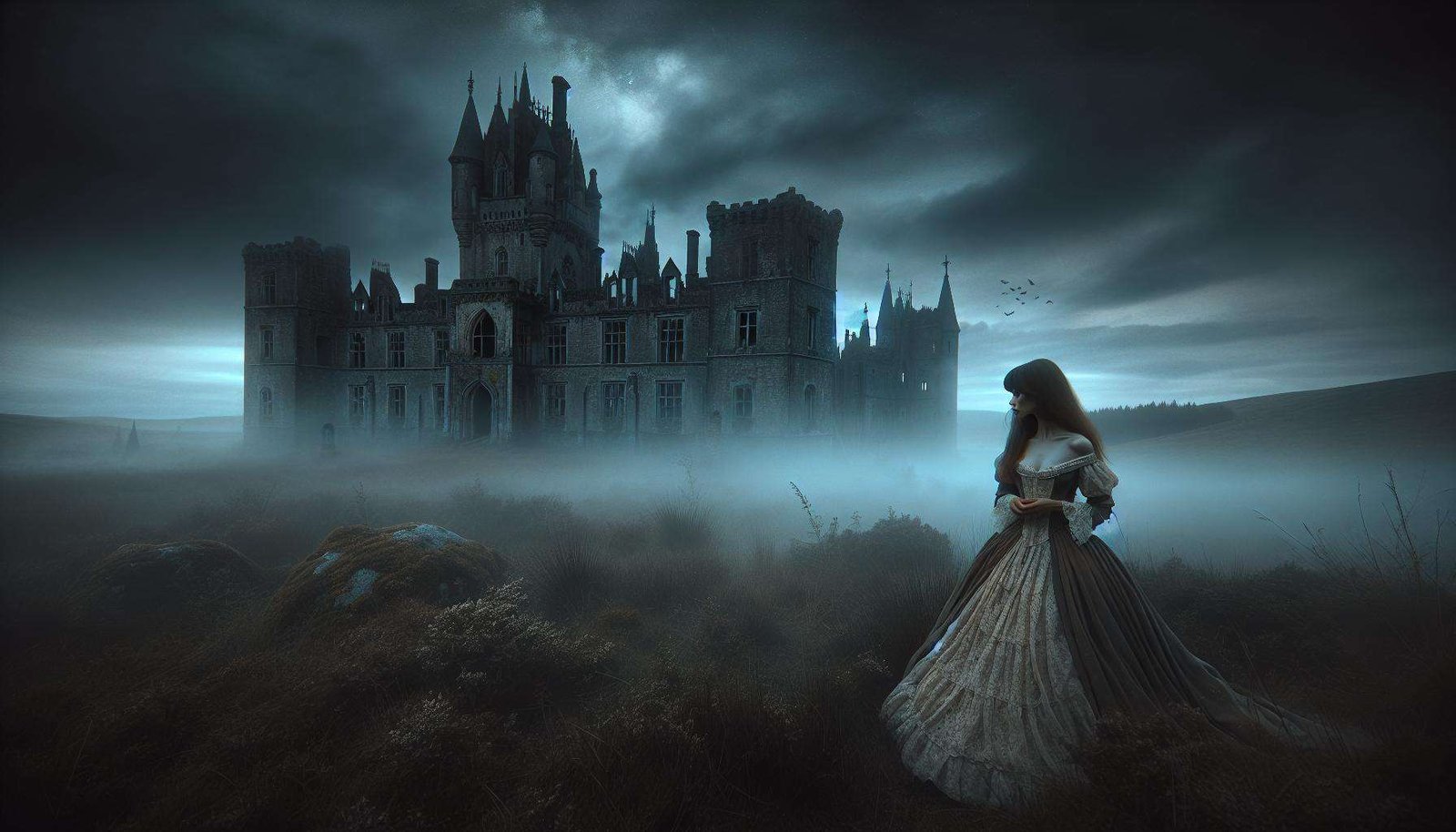
Gothic romance is characterized by its distinct elements. You can expect enchanting yet eerie locations, such as decaying castles or misty moors that evoke mystery. Besides, the presence of supernatural elements enhances the emotional stakes. Think of Wuthering Heights, where the ghostly presence of Catherine echoes the characters’ profound desires and regrets. Characters often embody extremes, from the tormented hero to the fragile heroine, which creates a rich narrative fabric. As you dive deeper into the world of gothic romance, you’ll see how laughter, love, and despair coexist within these tales, crafting stories that resonate deeply with your own experiences.
I suggest you read Why ‘dracula’ is still scarier than modern vampires today
Common themes in gothic romance
The themes of gothic romance often revolve around the exploration of the human psyche. Passion is frequently at odds with societal expectations, creating tension within characters. Alienation, longing, and moral ambiguity are pivotal to the narrative. You might find protagonists who grapple with unfulfilled desires, drawing you into their emotional turmoil. The interplay between love and loss is also central; for example, characters may find themselves in forbidden relationships fraught with secrets. Also, themes of fate and destiny often haunt the storylines, leaving you pondering the inevitable consequences of one’s choices. Engaging with these themes not only provides entertainment but encourages reflection on your own journey through knowledge and identity, which is a fundamental aspect of the Dark Academia Codex.
Explore more on our site for deeper insights into dark academia and the intricate layers of gothic romance, where art and literature beautifully intersect.
Key Characteristics of Horror
Horror is a genre crafted to provoke fear and dread, stirring primal emotions within its audience. It employs various techniques to immerse you in a world where terror lurks around every corner.
I suggest you read 5 gothic classics that will haunt your dreams forever
Elements of horror
At its core, horror thrives on a tension-filled atmosphere. This involves unsettling imagery, unexpected twists, and characters often facing incomprehensible forces. Think about Stephen King’s works—his use of everyday settings turned sinister showcases how the familiar can transform into the terrifying. Also, horror often includes supernatural elements, such as ghosts or monsters, which serve to heighten the sense of danger. The tone in horror can swing dramatically—from subtle eeriness to outright chaos—capturing your attention in ways that both shock and intrigue.
Common themes in horror
Fear is at the heart of horror, but it often weaves in other themes. Isolation is prevalent; characters may find themselves cut off from society, amplifying their vulnerability. You might notice themes of madness, where characters spiral into insanity due to the overwhelming terror they face. Also, horror reflects on the darker aspects of humanity—greed, betrayal, and the instinct for survival. These themes resonate deeply, provoking contemplation about human nature itself. Just as in the realms of Dark Academia, where intellectual depth meets the macabre, horror encourages exploration of our darker fears and the emotions that accompany them.
Dive deeper into the world of horror, and explore its overlap with the captivating aspects of Dark Academia on our main sections and blog.
Historical Context
Understanding the historical context of gothic romance and horror reveals significant insights into their development and unique qualities.
Origins of gothic romance
Gothic romance emerged in the late 18th century, primarily as a reaction against the Enlightenment’s emphasis on reason. Instead, writers turned to emotion, nature, and the supernatural. You can trace its beginnings to works like Horace Walpole’s The Castle of Otranto. This groundbreaking novel combined elements of medievalism, mystery, and romance, setting the stage for what would become a beloved genre.
Characterized by dark and often decaying settings, gothic romance invites you into a world filled with haunted castles and mysterious landscapes. Think of the moors in Emily Brontë’s Wuthering Heights, which reflect the tumultuous emotions of the characters. Here, love and longing intersect with the eerie, showcasing how gothic elements can elevate emotional stakes. You’ll find that themes of alienation and moral ambiguity enrich these narratives, allowing for deep exploration of the human experience—a hallmark of the Dark Academia Codex.
Origins of horror
Horror’s roots can be traced back to ancient folklore and myth, where supernatural beings often communicated moral lessons through fear. But, the genre took a distinct shape in the 19th century with the publication of Mary Shelley’s Frankenstein. This novel not only introduced the monster archetype but also highlighted ethical dilemmas surrounding creation and consequence. Horror began to evolve into a medium through which societal anxieties could be expressed, delving into the grotesque and the unknown.
In modern horror, authors like Stephen King have taken the genre further, utilizing suspense and shocking imagery to evoke fear. Elements such as isolation and madness play pivotal roles in these narratives, making readers confront their own darkest fears. Much like gothic romance, horror paints a detailed picture of the human psyche. By exploring themes that resonate with your own situation, such as betrayal or the fragility of sanity, horror invites insightful reflection.
To investigate deeper into both genres, consider browsing through the rich collections on the Dark Academia Codex website; there’s so much waiting for you to explore.
Notable Examples
In exploring the realms of gothic romance and horror, several classic works exemplify the distinct characteristics of each genre. These notable examples not only highlight the differences but also invite you to reflect on the emotions and themes that resonate throughout their narratives.
Classic gothic romance works
Gothic romance thrives on the interplay of love and the supernatural. A quintessential example is Emily Brontë’s Wuthering Heights, where the haunting backdrop of the Yorkshire moors sets the stage for a love story filled with passion and despair. The ethereal connection between Catherine and Heathcliff transcends life and death, capturing a sense of longing that defines the genre.
Another prime example is Charlotte Perkins Gilman’s The Yellow Wallpaper, which delves into the psychological struggles of a woman confined by societal norms. The decaying mansion she inhabits becomes a symbol of both physical and emotional entrapment, while the wallpaper itself embodies her descent into madness. Such works invite readers to connect with their characters’ internal conflicts amid eerie settings characteristic of gothic romance.
Classic horror works
Horror, on the other hand, takes a more visceral approach to evoke fear. Mary Shelley’s Frankenstein serves as a foundational example of the genre, blending elements of gothic romance with themes of isolation and the consequences of unfettered ambition. The creature’s tragedy hinges on the darkness of human nature and the ethical quandaries surrounding creation and abandonment.
Stephen King’s The Shining exemplifies modern horror’s ability to conjure dread through both psychological tension and supernatural forces. The isolation of the Overlook Hotel amplifies the characters’ descent into madness, creating a palpable sense of fear that resonates deeply with readers. King’s mastery lies in his ability to weave intricate backstories with breathtaking suspense, prompting you to reconsider the thin line between sanity and insanity.
Engage with these classic works in your literary journey, and if you seek more insights into the fascinating aesthetics of Dark Academia, explore the sections and blogs available at Dark Academia Codex.
Comparison of Tone and Atmosphere
When delving into gothic romance and horror, the tone and atmosphere each genre creates elicit distinctly different emotional responses from you. Understanding these nuances enhances your appreciation for the literature and art within the Dark Academia Codex.
Emotional impact of gothic romance
In gothic romance, the emotional world is steeped in longing, nostalgia, and an intoxicating blend of love and despair. Think of Wuthering Heights, where the moody Yorkshire moors serve as a backdrop for tragic love stories. The settings are atmospheric, often characterized by decaying castles and shadowy landscapes. This creates a melancholic yet enchanting aura that invites you to indulge in a world where passion is intertwined with the supernatural. Here, the relationships are intense and tumultuous, allowing you to empathize deeply with the characters. They grapple with societal norms and inner turmoil. The lingering presence of fate and destiny often adds to the emotional tension, compelling you to reflect on your personal experiences of love and loss.
Emotional impact of horror
Conversely, horror aims to stimulate your primal instincts, evoking fear and dread through vivid imagery and suspenseful narratives. Picture the chilling scenes in The Shining, where isolation escalates into madness, forcing you to confront your darkest fears. The atmosphere in horror is filled with tension, often underscored by grotesque elements that expose the darker sides of human nature. Themes like isolation and betrayal are often prevalent, making you question the very essence of humanity. The unexpected twists and shocking moments keep you on edge, eliciting a visceral reaction that signifies the genre’s intent to provoke. This fear draws you in, engaging your senses in a way that challenges normalcy, pushing the boundaries of human experience.
Explore the layers of emotions in both genres and discover how they resonate within the core elements of Dark Academia. For deeper insights into literature’s connection to emotion, jump into our various blog sections and enjoy the aesthetic of classical learning and art that we celebrate.
Audience Reception
Understanding audience reception helps illuminate how gothic romance and horror resonate with their readers. Each genre elicits distinct emotional reactions that shape their popularity and cultural impact.
Gothic romance audience trends
Gothic romance captivates a dedicated audience who relish the intertwining of love, longing, and the supernatural. Readers are often drawn to the genre’s atmospheric settings, like eerie castles and mist-laden moors, reminiscent of a dark academia aesthetic. This aesthetic appeals to those who appreciate the richness of literary tradition and the exploration of human emotions. For example, fans of Emily Brontë’s Wuthering Heights often find themselves enraptured by the passion and moral ambiguity presented in the narrative. Women, in particular, have historically been a significant audience, seeking out the complex female characters that challenge societal norms.
The engagement extends beyond the pages of books. Readers actively participate in online communities discussing themes of alienation and destiny. This interaction fosters a deeper connection to the literary world, drawing parallels to the elements of dark academia that celebrate intellectual pursuits and artistic expression.
Horror audience trends
Horror audiences often seek visceral experiences, craving the thrill of fear and suspense. The genre attracts diverse demographics, from avid Stephen King fans to newcomers intrigued by horror’s psychological depths. For instance, novels like The Shining provide insight into human nature’s darker sides, preparing readers for unsettling twists and grotesque imagery.
In a similar vein, horror’s appeal lies in its ability to provoke intense emotions, often sparking conversations about the underlying themes of madness and isolation. Online platforms buzz with discussions about personal interpretations and favorite scare tactics. This interaction mirrors the discourse seen in dark academia circles, where literature is not just consumed but dissected and debated.
Both gothic romance and horror invite you to explore narratives that provoke thought and stir emotions. Jump into the Dark Academia Codex for deeper insights on how these genres intertwine with the aesthetic beauty of classical literature. Discover more about how these themes reflect your own experiences and resonate with your inner literary enthusiast.
Exploring the realms of gothic romance and horror reveals how each genre uniquely resonates with your emotions. Gothic romance draws you into a world of passion and melancholy, where love intertwines with the supernatural. It invites reflection on your own desires and the complexities of human relationships.
On the other hand, horror confronts you with raw fear and the darker aspects of existence. It challenges you to face your primal instincts and the unsettling truths of humanity.
Both genres enrich your literary experience, offering distinct narratives that provoke thought and stir deep emotions. As you navigate these captivating worlds, you’ll uncover insights that resonate with your own experiences and understanding of love and fear.
