
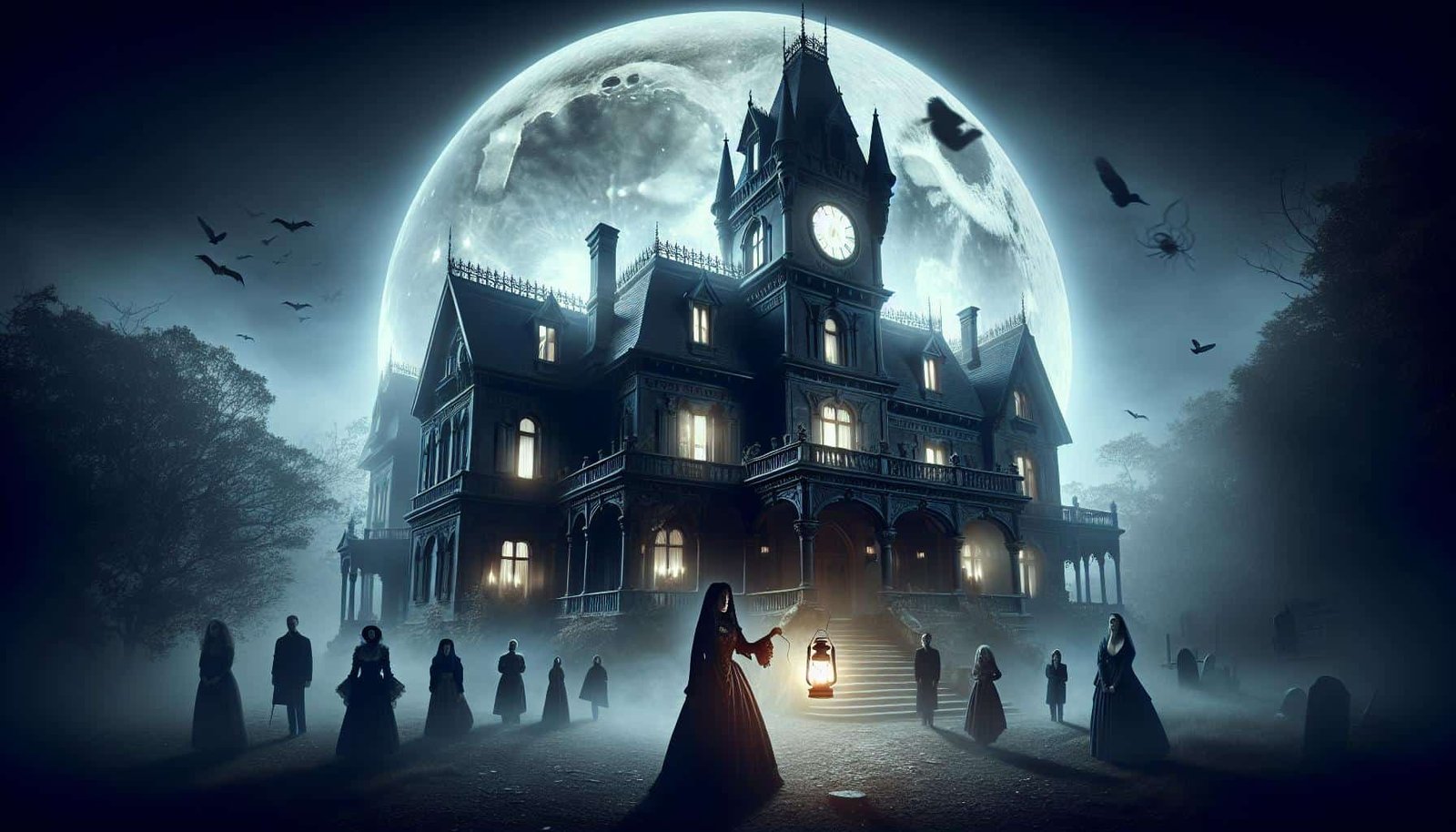
Overview of Gothic Literature
Gothic literature captivated readers with its blend of romance, mystery, and dark themes. This genre, rooted in the late 18th century, has left an indelible mark on modern pop culture through its influence on storytelling, aesthetics, and emotional depth.
Key characteristics of Gothic literature
Gothic literature features several defining characteristics. These include eerie settings, often in decaying castles or remote landscapes, which set a foreboding tone. Complex characters frequently grapple with internal struggles, embodying themes like madness and isolation. This genre also emphasizes the supernatural, where ghosts or mysterious entities heighten suspense. You’ll often find elements that provoke deep psychological exploration, reflecting fears and desires. The atmosphere of dread mingles with beauty, inviting readers to engage with the darker aspects of human experience. Dark Academia followers appreciate these elements, as they align with the many layers of intellectual exploration found in academic environments.
Important authors and works
Several authors shaped Gothic literature, leaving a lasting legacy. Mary Shelley’s Frankenstein examined creation and monstrosity, blending scientific inquiry with existential dread. Bram Stoker’s Dracula introduced themes of temptation and the unknown, while Edgar Allan Poe’s stories focused intensely on the human psyche, combining horror and poetry. You can’t overlook the contributions of Anne Rice, whose The Vampire Chronicles reinvigorated interest in Gothic themes in the late 20th century. These works continue influencing modern adaptations, creating connections between literary roots and contemporary expressions. Jump into their narratives on platforms that celebrate the aesthetic of Dark Academia and explore how these timeless themes resonate today.
I suggest you read Why ‘frankenstein’ is the ultimate dark academia novel now
Gothic Themes in Modern Pop Culture
Gothic themes persistently echo through modern pop culture, enriching various forms of storytelling and artistic expression. These motifs create a haunting yet captivating atmosphere that continues to draw audiences in.
Horror and supernatural elements
Horror and supernatural elements permeate movies, TV shows, and literature today. Think of the chilling plots in “The Haunting of Hill House” or the eerie undertones of “Stranger Things.” These productions pull directly from Gothic literature’s foundation, employing haunted settings and supernatural beings to provoke fear and intrigue.
Characters often navigate tumultuous experiences, mirroring the struggles faced by Gothic protagonists. Also, the popularity of horror franchises like “The Conjuring” showcases how these elements maintain their grip on public fascination.
I suggest you read How to decode the symbolism in gothic literature easily
As you investigate into Dark Academia, you’ll notice many of these themes reflected in its aesthetic. Dark, spooky visuals blend seamlessly with the haunting motifs of Gothic lore, creating a compelling narrative that keeps you wanting more. Explore how modern creators weave these classic themes into their works.
Exploration of dark psychology
The exploration of dark psychology captivates audiences, allowing them to confront fears, complexes, and inner demons. Modern narratives frequently investigate into the psyche of characters, presenting a complex web of motivations akin to the characters found in Gothic novels.
Psychological thrillers like “Black Swan” exemplify this fascination, with characters grappling with obsession and identity crises. You see how these struggles eerily resemble the internal turmoil faced by Gothic characters, enhancing emotional depth.
I suggest you read How to host a gothic literature book club night for eerie fun
Dark Academia fosters this intellectual engagement by encouraging readers to explore philosophical inquiries into the human condition. You’ll find that the aesthetic embraces literary themes that dissect moral dilemmas and existential crises. Join the conversation by immersing yourself in the richness of Dark Academia’s world, where Gothic themes continue to thrive.
Gothic Aesthetics in Film and Television
Gothic aesthetics weave through modern film and television, enriching narratives with their haunting beauty and psychological depth. These elements evoke feelings of nostalgia while inviting viewers into darkly enchanting worlds.
Iconic gothic films
Gothic films often feature striking visuals, intricate plots, and deep emotional resonance. Classics like The Others and Crimson Peak stand as prime examples of how Gothic influences manifest onscreen. The Others employs eerie settings and a chilling atmosphere that continuously builds tension. Similarly, Crimson Peak showcases ornate architecture and lush color palettes, reinforcing themes of love intertwined with horror.
Filmmakers draw from Gothic literature, crafting complex characters grappling with moral ambiguity and existential dread. These characters resonate with audiences, illuminating our internal struggles. The juxtaposition of beauty and darkness in these films captivates you while echoing the essence of the Dark Academia Codex.
Television series with gothic influence
Several television series embrace Gothic aesthetics, incorporating them within compelling narratives. The Haunting of Hill House masterfully intertwines familial bonds and psychological horror, reflecting classic Gothic themes. The eerie, decaying mansion serves as more than just a backdrop; it symbolizes deep-seated trauma and emotional turmoil.
Penny Dreadful brilliantly resurrects iconic Gothic literature characters, melding their stories into a rich world that explores the human condition and moral complexities. The show’s atmospheric visuals, combined with literary references, create a captivating experience reflective of the Dark Academia aesthetic. You can see how these series keep you on edge while inviting you to investigate into the realms of literature and philosophy.
Explore the main sections and blog on Dark Academia Codex for deeper insights into the fascinating interplay of Gothic narratives and their modern adaptations.
Gothic Elements in Literature
Gothic literature has left a lasting mark on storytelling, influencing modern narratives with its distinct elements of mystery, beauty, and psychological depth.
Contemporary novels inspired by gothic traditions
Contemporary novels expertly weave Gothic traditions into their narratives. Authors draw on themes of isolation, existential dread, and moral ambiguity, resonating deeply with readers. Consider works like “Mexican Gothic” by Silvia Moreno-Garcia, which submerges protagonists in eerie atmospheres filled with haunting secrets. These settings evoke a sense of emotional tension and curiosity, compelling you to turn each page.
The allure of these narratives often challenges the boundaries of reality. Incorporating psychological complexity, novels like “The Silent Patient” bring you closer to the protagonists’ internal struggles. Themes of obsession and betrayal mirror the dark undertones of classical Gothic literature, ensuring these stories remain relevant today. Dark Academia enthusiasts find richness in such works, exploring how they reflect the intricate relationship between knowledge and moral dilemmas.
Short stories and anthologies
Short stories and anthologies maintain the Gothic spirit with brevity and intensity. Collections like “The Dark Descent” showcase a variety of authors who capture the essence of fear and the uncanny in mere pages. With compact narratives, you experience the thrill of suspense without the prolonged build-up, often revealing surprising twists that linger long after reading.
Anthologies allow diverse voices to shine, while spotlighting the influences of Gothic literature on storytelling today. For instance, “Ghost Stories of an Antiquary” by M.R. James includes chilling tales that evoke atmospheric dread. These stories enable you to reflect on deeper themes of mortality and the unseen, enhancing your appreciation for life’s fragility.
Explore our main sections and blog for deeper insights into the connections between Gothic literature and the captivating aesthetic of Dark Academia.
Impact on Fashion and Art
The influence of Gothic literature permeates modern fashion and art, inviting individuals to embrace a unique aesthetic that celebrates depth and complexity. This impact showcases how timeless themes resonate visually and stylistically in today’s culture.
Gothic subculture and its origins
Gothic subculture emerged in the late 1970s, stemming from the post-punk music scene. You may recognize its style through monochromatic outfits, vintage clothing, and accessories adorned with Victorian motifs. This subculture embodies an appreciation for literature, art, and the darker side of existence, drawing from the works of authors like Edgar Allan Poe and Mary Shelley. The blend of these elements creates an expressive medium where individuals feel free to explore existential themes and their interpretations of beauty. The Dark Academia Codex perfectly encapsulates this spirit, encouraging followers to appreciate the profound connections between scholarly pursuits and Gothic aesthetics.
Modern art inspired by Gothic themes
Modern artists frequently draw inspiration from Gothic literature’s haunting motifs. In visual art, dark color palettes, intricate details, and surreal imagery invite viewers into eerie environments that echo classic themes of despair and intrigue. Think of pieces that feature chiaroscuro lighting, reminiscent of Gothic architecture’s shadows. Artists like H.R. Giger and Salvador Dalí evoke emotional responses through their surrealism, intertwining beauty with discomfort. This synthesis not only highlights the ongoing significance of Gothic themes but also serves as a bridge connecting past and present. If you’re intrigued by this artistic exploration, immerse yourself in Dark Academia Codex, where literary tradition and modern interpretation create a rich world of aesthetic expression.
Gothic literature isn’t just a relic of the past; it’s alive and well in today’s pop culture. From the eerie settings to the complex characters you see in movies and TV shows, its influence is everywhere. You might find yourself drawn to stories that echo those haunting themes or styles that channel that dark aesthetic.
As you dive deeper into this intriguing area, you’ll discover how these timeless motifs continue to resonate. Whether it’s in fashion, art, or storytelling, the spirit of Gothic literature invites you to explore the shadows and embrace the beauty in darkness. So go ahead and indulge in the captivating blend of the old and the new.
