
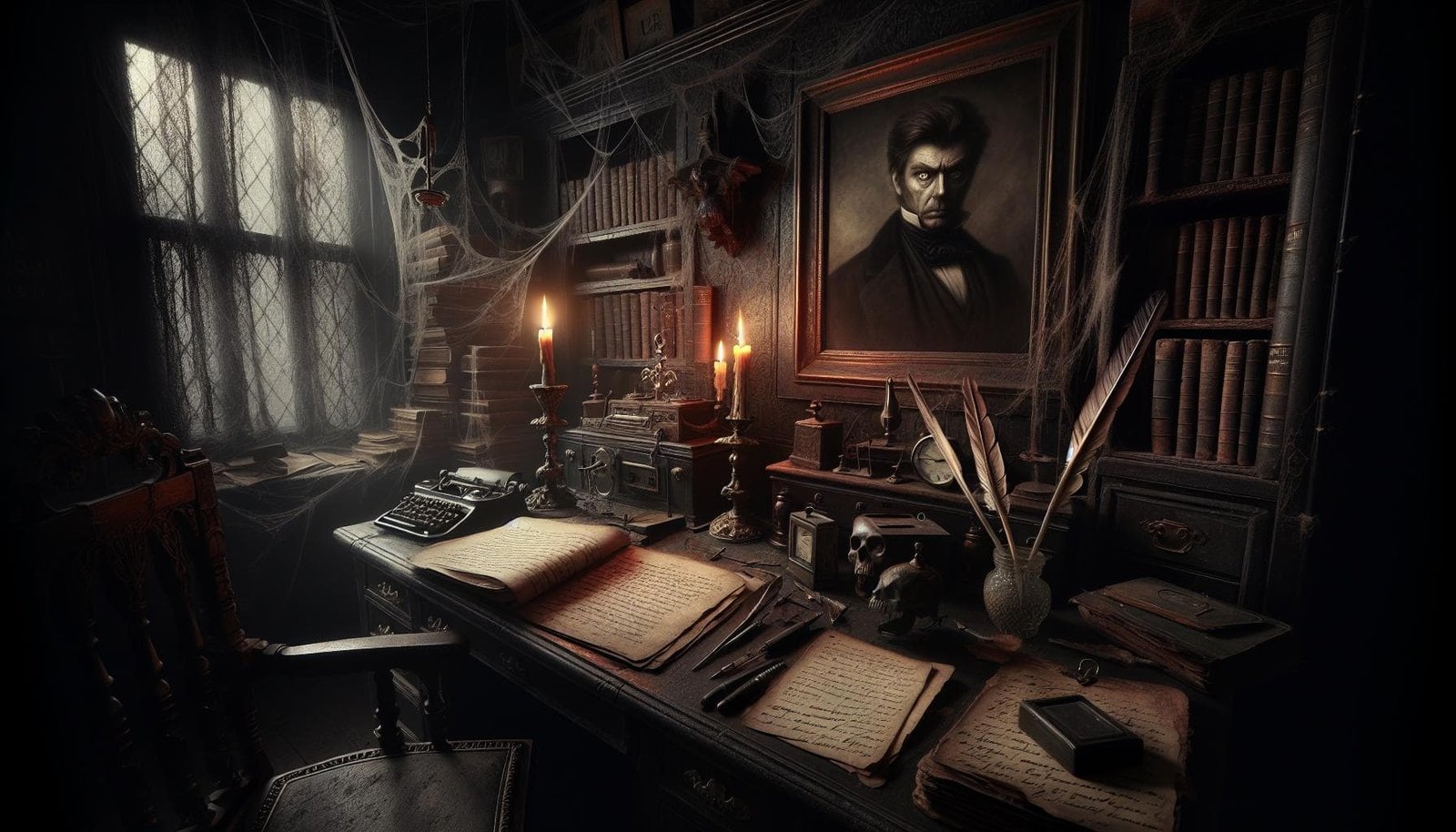
Edgar Allan Poe’s Most Chilling Tales Ranked
When it comes to spine-tingling narratives, Edgar Allan Poe showcases a mastery that stands the test of time. You might find yourself captivated by these selected tales that not only chill your bones but also echo the essence of Dark Academia, where the allure of knowledge intertwines with the shadows of obsession and melancholy.
- The Tell-Tale Heart
This story isn’t just about a crime; it delves deep into the mind of madness. The unreliable narrator, driven by guilt and paranoia, gives you a front-row seat to his unraveling sanity. The heartbeat you hear isn’t just an auditory hallucination; it symbolizes the weight of conscience that Poe weaves beautifully. - The Fall of the House of Usher
Here, Poe paints a bleak picture of decay—both physical and psychological. The atmosphere is thick with dread, and the Usher family’s tragic downfall serves as a chilling reminder of the weight family legacies can carry. Just like a gothic mansion, this story stands as a testament to how deeply the past can haunt us. - The Cask of Amontillado
This tale of revenge immerses you in the dark depths of human nature. The protagonist’s calculated approach to vengeance is unsettling. Imagine being lured into the catacombs under the guise of friendship, only to meet your doom. It’s a perfect exploration of how obsession can lead to one’s demise. - The Masque of the Red Death
In this vivid tale, the message is clear: no one can escape death. The opulent masquerade creates an ironic backdrop for a story about inevitability. Just as in life, the party goes on while the shadows of despair loom ever closer.
Overview of Poe’s Influence
Edgar Allan Poe’s influence stretches far beyond his own time. His chilling tales have carved an indelible niche in literature, cementing him as a cornerstone of the Dark Academia Codex aesthetic.
Legacy in literature
Poe’s legacy in literature is vast and profound. He didn’t just write stories; he crafted experiences that linger in your mind, much like the haunting shadows in a candlelit room. His work has inspired countless authors, allowing the exploration of darker themes in poetry and prose. Think of how his unreliable narrators—like the one in “The Tell-Tale Heart”—create a sense of intimacy while simultaneously distorting reality. This idea of questioning what’s true and what isn’t resonates deeply, especially in Dark Academia, where knowledge is savored and scrutinized. Writers like H.P. Lovecraft and Stephen King have acknowledged Poe’s impact on their own works. You can see echoes of his themes of obsession and madness in their narratives, showcasing how they borrow from Poe’s complex exploration of the human psyche.
I suggest you read The ultimate guide to surviving a gothic novel adventure
Impact on horror genre
When it comes to the horror genre, Poe is often regarded as a foundational figure. His ability to blend psychological depth with supernatural elements set the stage for modern horror. Each tale invites you to step into the darkest recesses of your mind, challenging conventional storytelling. Look at “The Cask of Amontillado”; its chilling revenge plot intricately weaves themes of betrayal and madness into a tale that refuses to fade away. The atmosphere he created not only raised the bar for suspense but also influenced the visual aesthetics of horror. His emphasis on atmosphere and emotion paved the way for later filmmakers and writers to evoke terror through ambient storytelling, where setting becomes a character in its own right. So, if you crave those spine-tingling narratives that reflect the essence of Dark Academia, explore Poe’s timeless work and its extensive legacy in the horror genre.
Ranking Criteria
When ranking Edgar Allan Poe’s most chilling tales, specific criteria come into play. Here’s how we dissect his stories to understand their impact and resonance within the Dark Academia Codex aesthetic.
Themes and atmosphere
Poe’s tales are rich in themes that evoke a strong sense of atmosphere. The recurring motifs of death, madness, and the supernatural are essential in creating the spine-tingling vibe you crave. Think about “The Masque of the Red Death,” where the lavishness of the setting contrasts sharply with the inevitable demise lurking in the shadows. Each story draws you into a world that pulsates with tension and dread. It’s like walking through a foggy graveyard, with each whisper of the wind amplifying your unease. The delicate interplay between beauty and horror creates a haunting ambiance that lingers long after you’ve turned the final page.
I suggest you read Unraveling the mysteries of ‘the yellow wallpaper’ today
Character development
Character development plays a significant role in making Poe’s tales memorable. His protagonists often grapple with inner demons that expertly mirror the external horrors of their world. For example, in “The Tell-Tale Heart,” you’re thrust into the mind of an unreliable narrator, battling feelings of guilt and paranoia. This intense psychological exploration invites you to sympathize with the character even though their chilling actions. As you peel back the layers, you unravel the complexities of obsession and fear. Poe’s characters feel real and relatable, which is what makes their journeys so captivating and harrowing. Once you connect with these troubled souls, the stories hit closer to home.
Narrative techniques
Poe’s narrative techniques are both innovative and effective, contributing much to the foreboding tone of his work. He masterfully uses first-person narration to plunge you straight into the mind of his characters, creating an intimate yet unsettling experience. Take “The Fall of the House of Usher,” where the rich imagery and meticulously crafted prose invite you to witness the tragic unraveling of the Usher family. The pacing often mirrors the tension of the plot—slow-building at times, only to crescendo into sheer terror. These narrative choices keep you on the edge of your seat, engaged in the dark world he’s weaving. By employing suspenseful devices and vivid descriptions, Poe ensures that his tales not only chill you but also prompt deep reflection.
Curious about other aspects of the Dark Academia Codex? Jump into our main sections and blog for even more insights into the captivating world of literature and aesthetic exploration.
I suggest you read 7 gothic heroines who broke all the rules and defied norms
Top Chilling Tales
Edgar Allan Poe’s tales are woven with suspense and an exploration of the macabre. Here are some of his most chilling works that captivate readers and embody the essence of Dark Academia.
1. The tell-tale heart
This iconic story dives deep into the mind of a murderer. The unreliable narrator claims sanity while recounting his heinous act. You feel the tension as he describes the heartbeat of the victim, a sound that drives him to madness. Poe’s technique of using first-person narration pulls you into a world where guilt manifests audibly. The precise language creates a claustrophobic atmosphere, making you question the line between sanity and insanity. It’s not just a tale of horror; it’s an exploration of the psyche.
2. The fall of the house of usher
In this haunting tale, the atmosphere is oppressive. The narrator visits his childhood friend Roderick Usher, who lives in a decaying mansion. The house itself embodies the family’s tragic history, a physical representation of their downfall. As you read, the themes of fear and the supernatural blend into a compelling narrative. Usher’s deteriorating mental state and the eerie connection between the family and their home create a sense of dread. This story is a masterclass in blending setting with character, where every creak of the floorboards seems to echo with despair.
3. The cask of amontillado
This tale of revenge entraps you within its dark themes as Montresor vows to take vengeance on Fortunato. With the promise of a rare wine, Montresor lures Fortunato into the catacombs, creating an unsettling tension that keeps you guessing. The deftly woven irony of Fortunato’s fate adds an extra chilling layer. The sense of claustrophobia and impending doom grips your attention, inviting you to ponder the consequences of obsession. As darkness envelops the characters, you can’t help but feel that chilling satisfaction and horror at the same time.
4. The black cat
This story tackles themes of guilt and the supernatural through the lens of a pet cat. The narrator descends into madness, driven by alcoholism and violent impulses. The twist in this story is both shocking and thought-provoking. As you follow his transformation into a monster, the eerie companionship of the black cat serves as a constant reminder of his guilt. It’s a tale that shows how darkness can fester within the seemingly mundane, turning everyday life into a nightmare. The raw intensity pulls you in, forcing you to confront the darkness in human nature.
5. The masque of the red death
Set against a backdrop of opulence, this story illustrates the inevitability of death. Prince Prospero hosts a lavish ball while a deadly plague ravages the outside world. The vivid imagery of the seven colored rooms adds a unique beauty to the despair. As the mysterious masked figure appears, signaling death’s arrival, you’re left in awe of Poe’s ability to blend beauty with horror. It’s a stunning commentary on the futility of trying to escape fate. This tale exemplifies the haunting ambiance that permeates Poe’s work and resonates deeply within the area of Dark Academia.
Explore more tales and themes on the site. Dive deeper into the aesthetic that celebrates the richness of literature, art, and the beauty of the academic life within the Dark Academia Codex.
Comparison to Other Horror Writers
Edgar Allan Poe’s chilling tales hold a unique place in the horror genre, and when you look at the works of other writers, his influence shines through.
Influences on Stephen King
Have you ever noticed how Stephen King often weaves psychological depth into his horror? This approach can be traced back to Poe’s mastery of exploring fear and madness. Much like Poe’s unreliable narrators, King frequently crafts psychologically complex characters facing their demons. In classic stories like “Misery” or “The Shining,” you can feel the same pulse of dread that echoes through “The Tell-Tale Heart.” Both writers skillfully use suspense to keep you at the edge of your seat, creating a haunting atmosphere that lingers long after you’ve closed the book. Just as Poe sat at the crossroads of reality and the macabre, King similarly guides you through the dark hallways of the mind, inviting you to navigate fear in ways that resonate deeply with readers. This connection between their works enriches the Dark Academia Codex aesthetic, drawing you further into the intellectual and emotional depths of horror.
Poe’s chilling tales invite you into a world where fear and obsession intertwine. His masterful storytelling keeps you on the edge of your seat and makes you reflect on the darker sides of human nature. Each story you jump into reveals not just horror but also profound insights into life and death.
As you explore more of Poe’s work, you’ll find that his influence stretches far beyond his time. Whether you’re drawn to the psychological depth or the eerie atmospheres, there’s something in his tales that resonates deeply. So grab a candle and settle in for a journey through the shadows of your mind. You won’t regret it.
