
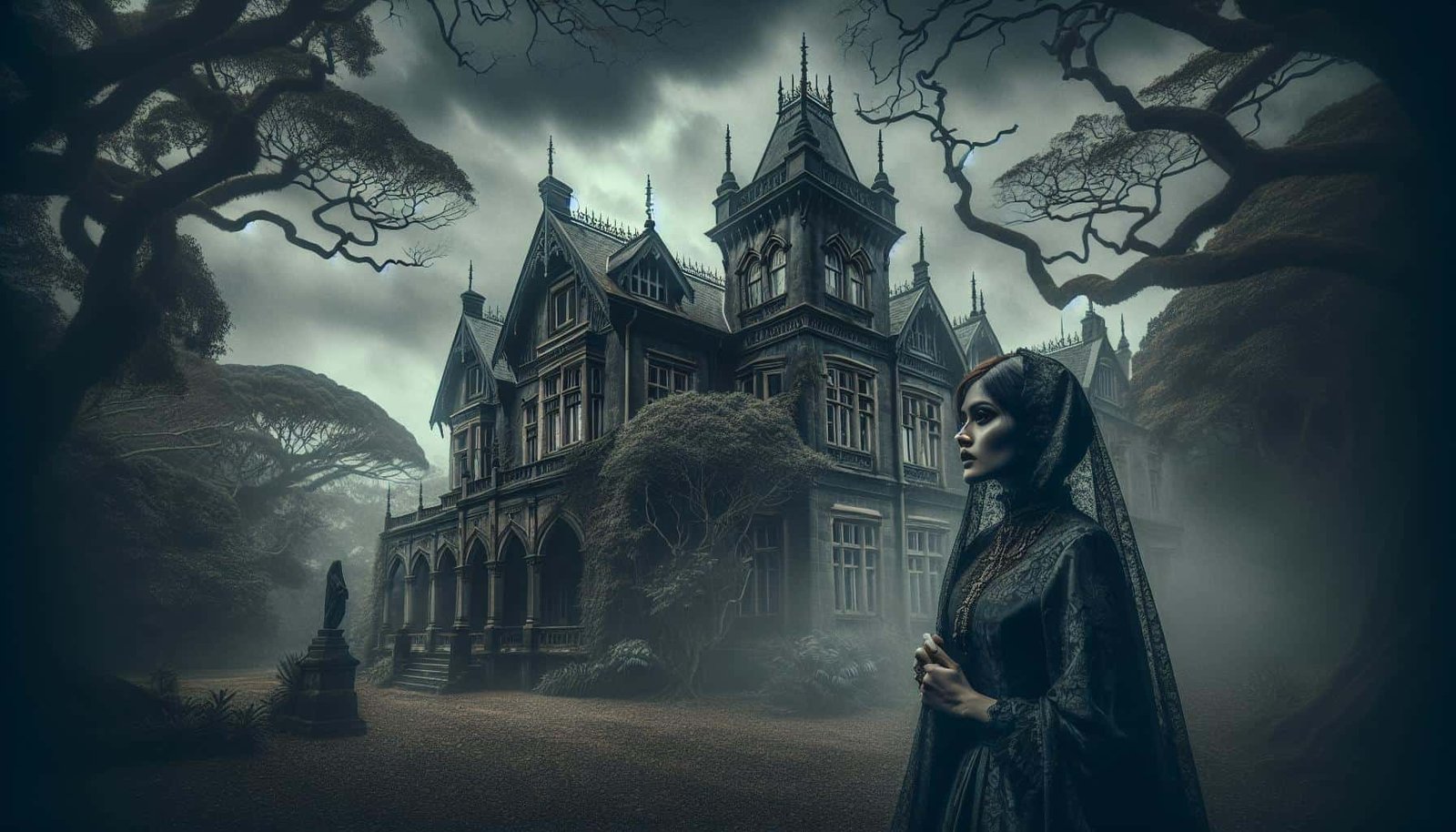
Avoid These Common Misconceptions About Gothic Lit
Gothic literature often gets a bad rap, but knowing the facts can transform your understanding.
- Gothic lit is all about horror. Many think gothic lit solely aims to scare readers. While it explores fear, it also delves deep into the human psyche, revealing complex emotions, desires, and societal critiques.
- Gothic stories are only set in haunted houses. You might picture crumbling castles and dark dungeons, but gothic literature transcends physical environments. It employs various settings—like eerie landscapes or opulent mansions—to symbolize internal struggles or societal issues.
- Gothic heroes are just brooding figures. Characters in gothic lit often embody more than dark personas. They’re multifaceted, grappling with moral dilemmas and psychological conflicts that reflect the struggles of their times.
- Gothic lit is outdated and irrelevant. Some believe gothic literature belongs to a bygone era. In reality, modern interpretations in diverse formats—like films and novels—keep the genre alive and allow for contemporary explorations of themes like identity and existential dread.
- Gothic literature lacks depth. It might seem superficial, but gothic lit is richly layered, often weaving in themes of social critique, mental health, and the complexities of love and loss, which resonate with readers today.
Engage with these truths to deepen your appreciation for gothic literature’s nuances. Explore more about this captivating genre and discover how it intersects with the aesthetic of Dark Academia. Check out our main sections and blog for deeper insights into the world you love.
Misconception 1: Gothic Lit Is All About Horror
Gothic literature is often misunderstood as just a genre of horror narratives. While it includes elements that may chill you, it’s far more intricate than mere frights.
I suggest you read Why ‘dracula’ is still scarier than modern vampires today
Exploring the range of themes
Gothic lit delves into a variety of themes, including love, loss, and existential dread. You’ll find stories that explore the implications of isolation and the struggle between rationality and the supernatural. Think of Mary Shelley’s Frankenstein, which grapples with creation and the consequences of ambition. The genre often intertwines with philosophical inquiries, making it rich and multi-layered. The aesthetics of Dark Academia shine through in these explorations, celebrating classical thought while embracing the darker sides of knowledge. Gothic literature invites you to ponder ethical dilemmas, the nature of reality, and the human experience, using haunting backdrops to accentuate these deeper themes.
Understanding emotional depth
Emotional depth is a cornerstone of gothic literature. It isn’t just about the eerie settings; it’s about the complex characters facing their internal demons. You’ll encounter protagonists who grapple with fear, desire, and moral ambiguity. For example, in Charlotte Brontë’s Jane Eyre, the heroine’s emotional journey unfolds against the backdrop of her haunting surroundings, revealing her struggles for identity and independence. Just like the aesthetic of Dark Academia, gothic literature reflects a rich world of human emotions, blending the intellectual and the emotional into a compelling narrative. You’ll discover that these explorations resonate deeply, evoking empathy while transporting you into their beautifully melancholic worlds.
Explore the Dark Academia Codex for more articles on how gothic literature intertwines with the broader aesthetic, enriching your understanding and appreciation of its themes.
I suggest you read 5 gothic classics that will haunt your dreams forever
Misconception 2: Gothic Lit Is Exclusively by Male Authors
Gothic literature is often mistakenly seen as a genre dominated by male authors, but that couldn’t be further from the truth. Female writers have played a crucial role in shaping the genre, bringing unique perspectives and themes that resonate powerfully with readers.
Recognizing female contributions
You might be surprised to learn that many iconic works of gothic literature were penned by women. Authors like Mary Shelley and Charlotte Brontë not only defined the genre but also infused it with their insights into human emotion and societal critiques. For example, Shelley’s Frankenstein explores boundaries of creation, questioning morality and identity long before those questions became mainstream topics. Brontë’s Jane Eyre intertwines psychological depth with a gothic setting, reflecting the struggles of individual desire against societal constraints. These works illustrate that women’s voices have always been integral to gothic literature, shaping its narratives and inviting you to think deeply about the human condition.
Highlighting diverse perspectives
Diversity enriches gothic literature, thanks in large part to the contributions from women and writers of various backgrounds. By offering fresh takes on universal themes, these authors challenge traditional views while broadening the genre’s scope. Consider the works of contemporary writers like Silvia Moreno-Garcia, whose stories weave elements of the supernatural with cultural experiences, creating a world of gothic narratives reflective of modern society. The complex characters and intricate plots invite you to see gothic literature as a broader lens through which to examine human experience.
I suggest you read Gothic literature’s influence on modern pop culture revealed
Explore how these diverse perspectives reflect the tenets of the Dark Academia Codex, celebrating knowledge, literature, and the darker sides of human emotions. Discover more about these rich contributions and investigate deeper into the intricate world of gothic literature by visiting our blog and main sections.
Misconception 3: Gothic Lit Only Features Supernatural Elements
Gothic literature isn’t solely about ghosts or eerie happenings. In fact, it often delves deep into the psychological aspects of its characters, revealing the human condition in breathtaking complexity.
Analyzing psychological realism
Gothic lit frequently explores profound psychological themes. Characters experience intense emotional struggles that resonate with readers on a personal level. Think of Frankenstein: Victor’s monstrous creation isn’t just a creature but a reflection of his inner turmoil and ambition. The anguish he faces represents a deeper fear of isolation and rejection. Through such journeys, gothic literature unveils the psyche, capturing intricate emotions like despair, obsession, and existential dread. You can see how the genre intricately weaves these elements into its fabric, creating a rich narrative world. Whether it’s the haunting loneliness in Jane Eyre or the moral quandaries faced by characters, these themes anchor gothic tales in a realistic psychological world, inviting you to ponder your own experiences and emotions.
Considering historical context
Gothic literature thrives amidst the backdrop of its historical context. When you analyze the era’s societal norms, you see the gothic environment acting as a mirror to contemporary anxieties and values. For example, in the late 18th and early 19th centuries, writers like Mary Shelley confronted the implications of scientific advancement and the quest for knowledge. This exploration reflects the period’s tumultuous relationship with progress, echoing the fascination and fear of the unknown. By focusing on these societal themes rather than just the supernatural, gothic literature offers a lens into the anxieties of its time. You can appreciate how these tales resonate beyond mere shadows and flickering candles, embracing a rich narrative that speaks to broader human experiences.
Dive deeper into the world of gothic literature and discover how these narratives weave together psychology and historical significance. Explore more sections on Dark Academia Codex for a richer understanding of literature that marries the profound with the beautiful.
Misconception 4: Gothic Lit Is Outdated and Irrelevant
Gothic literature isn’t just a relic of the past; it thrives within modern narratives. It draws on rich themes that resonate today, proving its enduring relevance.
Examining modern interpretations
Modern writers continually breathe new life into gothic literature. You can observe this transformation in works that blend traditional elements with contemporary issues. For instance, contemporary novels often tackle themes of identity and existential dread, paralleling the struggles found in classic gothic tales. Writers like Silvia Moreno-Garcia incorporate gothic motifs while addressing modern societal concerns, making it relatable for today’s audience.
Think of gothic literature as an old painting, where each stroke represents a timeless theme. As artists reinterpret that painting using new techniques, so do modern authors reinterpret gothic elements to reflect our current world, showcasing how its depth remains vital and significant.
Discovering gothic influences in contemporary works
You might not realize just how pervasive gothic influences are in today’s media. Films, TV shows, and novels frequently borrow from gothic motifs, creating a compelling blend of atmospheres that capture your imagination. Series like The Haunting of Hill House and novels such as Mexican Gothic showcase strong elements of the genre while exploring contemporary fears and anxieties.
These modern interpretations often evoke the same emotional challenges and moral ambiguities present in classic gothic literature, inviting you to confront your own internal struggles. As you jump into these works, you’ll uncover layers of meaning that connect them to the broader aesthetic of Dark Academia. You’ll appreciate how these contemporary stories keep the essence of gothic literature alive, ensuring that its beauty and complexity remain relevant.
Misconception 5: Gothic Lit Lacks Substance
Gothic literature is often dismissed as superficial, but this couldn’t be further from the truth. The genre’s richness lies in its deep exploration of human emotions, complex characters, and resonant themes. Let’s jump into why gothic lit is anything but lackluster.
Delving into complex characters
Gothic literature thrives on its nuanced characters, each faced with existential dilemmas and moral complexities. Characters like Victor Frankenstein in Mary Shelley’s Frankenstein embody ambition intertwined with profound fear, showcasing the duality of human nature. Their struggles are not just about defeating monsters or overcoming haunted pasts; they reflect our internal battles. These multifaceted protagonists allow readers to connect deeply with their journeys, making their experiences relatable within the larger human condition. Picture a character exploring dark corridors of guilt and desire—this psychological depth adds layers of meaning to every story.
Appreciating literary techniques
Gothic literature often employs striking literary techniques, enhancing its substance and depth. From atmospheric settings that echo characters’ emotions to rich symbolism that fosters deeper understanding, these elements grab your attention and draw you in. The interplay of light and shadow, for instance, not only sets a scene but also mirrors the internal conflicts within characters. Consider how Charlotte Brontë’s Jane Eyre uses the eerie Thornfield Hall to symbolize isolation and longing. These artistic choices do more than evoke a mood; they invite you to reflect on themes of identity, love, and loss, elevating gothic lit into a space where intellect meets emotion.
Explore more about these intricate elements on the Dark Academia Codex and investigate deeper into the captivating worlds of gothic literature.
By shedding light on the misconceptions surrounding gothic literature you can truly appreciate its depth and complexity. This genre isn’t just about fear or haunted settings; it’s a rich exploration of human emotions and psychological struggles.
As you investigate deeper into gothic works you’ll find multifaceted characters and themes that resonate with your own experiences. The contributions of diverse authors further enrich this literary world inviting you to engage with the genre in new and meaningful ways.
Gothic literature remains relevant today reflecting contemporary anxieties and moral dilemmas that continue to challenge readers. Embrace the intricate narratives that blend the profound with the beautiful and discover the timeless relevance of gothic literature in your own reading journey.
