
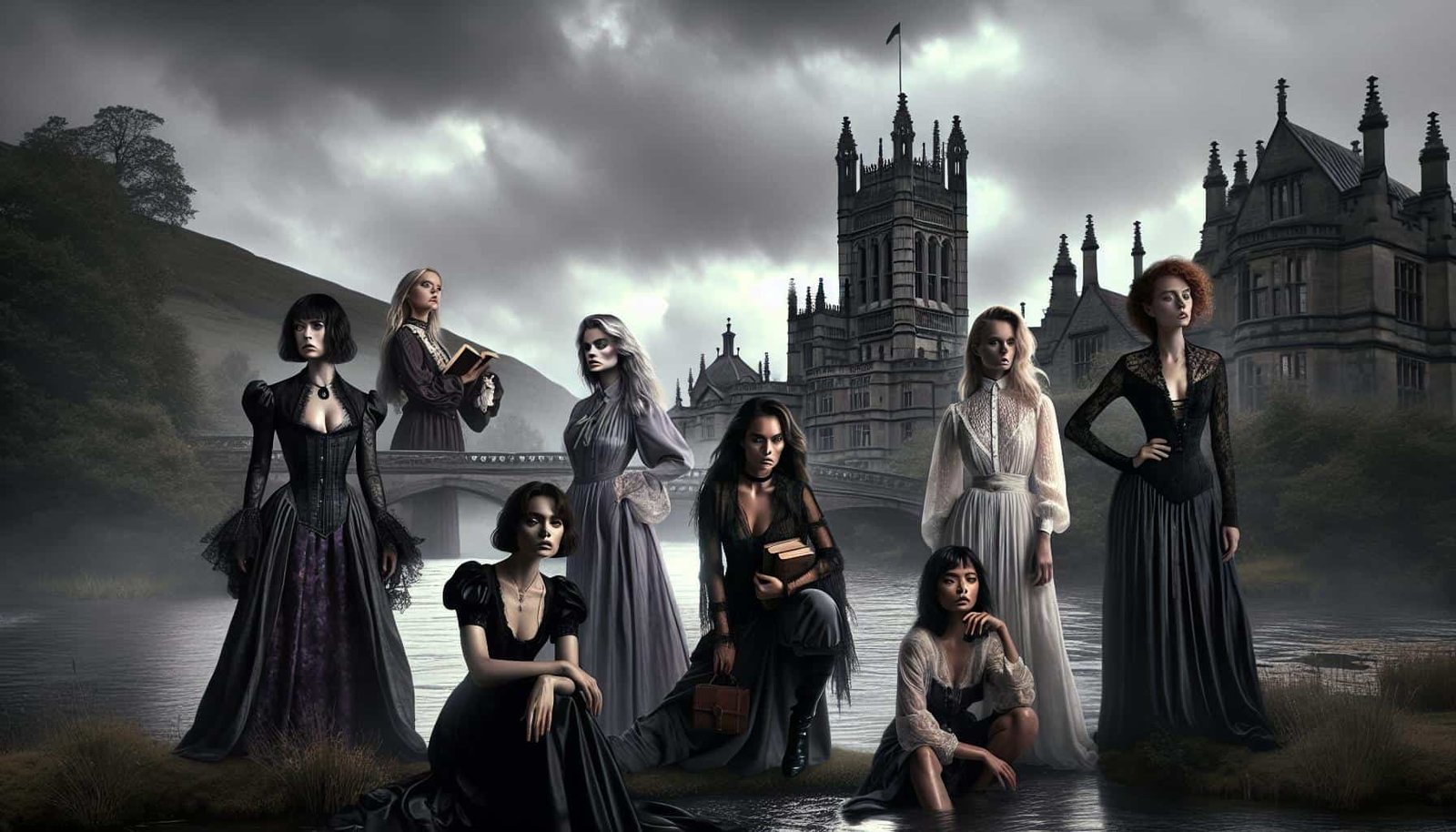
7 Gothic Heroines Who Broke All The Rules
- Catherine Earnshaw
Catherine Earnshaw from Wuthering Heights embodies passionate rebellion. She defies societal expectations by choosing love over social status. Her tumultuous relationship with Heathcliff showcases her fierce independence in a world confined by norms. - Jane Eyre
Jane Eyre creates her destiny, challenging conventions about women’s roles during the Victorian era. She stands for her beliefs, asserting her right to love and independence, eventually becoming a source of inspiration for countless readers. - Rebecca
The unnamed narrator in Rebecca breaks the mold of storytelling and self-identity. Her journey through manipulation and self-discovery offers a powerful critique of gender roles, showing resilience amid haunting circumstances. - Lisbeth Salander
Lisbeth Salander from The Girl with the Dragon Tattoo breaks barriers as a modern gothic heroine. With her exceptional intelligence and rebellious spirit, she fights against corruption and injustice, redefining strength on her terms. - Ophelia
Ophelia in Hamlet represents tragic defiance. Her descent into madness reflects the constraints placed on women. While she struggles against oppressive forces, her story captures the essence of loss and resistance. - Carmilla
Carmilla challenges societal norms surrounding sexuality and desire. As a vampire, she embodies forbidden lust and autonomy, showcasing that rejecting the conventional path can lead to exploring darker aspects of human nature. - Mina Harker
In Dracula, Mina Harker takes control of her fate. While conventional expectations seek to stifle her, she exhibits intelligence and bravery, becoming a pivotal force in confronting darkness.
Explore the fascinating stories of these gothic heroines and their audacious journeys. Dive deeper into the world of Dark Academia Codex for more insights on literary figures that challenge the ordinary and define resilience in extraordinary ways.
Exploring The Characteristics Of Gothic Heroines
Gothic heroines captivate us with their complexity and audacity. These characters often embody traits that challenge societal conventions and invite deep reflection.
Defiance against societal norms
Gothic heroines consistently defy the expectations placed upon them. For instance, Catherine Earnshaw in Wuthering Heights chooses love and passion over social propriety, illustrating how the heart can lead one to rebellion. Similarly, Jane Eyre showcases immense courage as she navigates a male-dominated society, asserting her independence even though the dire consequences. These heroines exemplify the struggle against systematic limitations in a world that seeks to dictate their paths.
I suggest you read Secrets hidden in gothic castle architecture revealed here
You can recognize their strength as they challenge the status quo. Take Lisbeth Salander, for example; in The Girl with the Dragon Tattoo, she doesn’t just resist corruption; she actively takes it down. This brave stance resonates with many who feel marginalized. Gothic heroines, through their defiance, challenge the boundaries set by society, making their stories truly compelling in the context of the Dark Academia Codex.
Embracing inner strength
Emotional resilience is another characteristic that defines gothic heroines. These characters often face adversity, yet their journeys unveil profound inner strength. Ophelia’s tragedy in Hamlet reveals the torment of constrained femininity, showcasing how she grapples with her limitations. Yet, through her struggles, readers see a flicker of defiance that hints at her unyielding spirit.
Mina Harker from Dracula embodies this strength as she transcends societal expectations. She takes charge of her fate in a world that frequently undermines women’s agency. This tenacity illustrates an important truth: the darkness one may face can reveal hidden depths of character.
I suggest you read The dark side of Jane Austen you never knew about revealed
Gothic heroines remind you of the power of introspection and resilience in overcoming life’s challenges. So, you’re invited to explore the narratives of these fascinating figures within the Dark Academia Codex. Discover more about their journeys and the timeless themes they embody in our rich collection of stories and analyses.
Highlighting The Top 7 Gothic Heroines
Jump into the captivating world of gothic heroines who defy societal norms and capture your imagination. These strong characters navigate complex narratives, embodying the essence of rebellion and resilience.
1. Jane Eyre
Jane Eyre reshapes the narrative of a powerful female character in literary history. She’s not just a governess; she’s a symbol of independence and self-respect. Breaking free from oppressive roles, Jane stands firm against societal constraints. Her journey reflects the struggles of many women who seek autonomy, making her a timeless figure. Through love and adversity, you witness Jane evolve, transcending her perceived limitations. Her legendary confrontation with Mr. Rochester exemplifies her refusal to be subjugated, reminding you that self-worth is paramount.
I suggest you read Gothic romance vs. horror: what’s the key difference explained?
2. Emily St. Aubert
Emily St. Aubert, from Ann Radcliffe’s The Mysteries of Udolpho, represents the quintessential gothic heroine thrust into a world of peril. Embracing nature with a profound appreciation, she faces daunting challenges with grace. Her resilience shines as she navigates through haunted castles and oppressive patriarchs, showcasing strength amidst vulnerability. Emily’s character illustrates how awareness of one’s emotional world connects deeply to spiritual resilience. By maintaining her composure in terrifying situations, she opens a window into the transformative power of introspection.
3. Cathy Earnshaw
Cathy Earnshaw from Wuthering Heights embodies passion and defiance against societal standards. Her love for Heathcliff transcends class and social expectations, leading her to make bold, heartbreaking choices. Cathy’s fierce spirit and emotional complexity illustrate the dark depths of love and revenge. This tumultuous journey leaves a mark on you, showcasing the fruitless battle against societal dictates. With her haunting cries echoing through the moors, you can feel her rebellion against a world that seeks to stifle individuality.
4. Theodora (The Haunting of Hill House)
Theodora, a pivotal character in Shirley Jackson’s The Haunting of Hill House, is intriguing and enigmatic. Her openness to the supernatural shapes her as an avant-garde character, challenging conventional femininity. While Theodora navigates her own identity, she remains fiercely loyal to her friends. Her boldness in embracing the unseen reflects modern interpretations of gothic themes. You’ll appreciate how Theodora encourages you to confront the fears that lurk within, inviting introspection and exploration.
5. Mina Harker
Mina Harker, a central figure in Dracula, exemplifies the power of agency amidst societal restrictions. Unlike many female characters of her time, she actively participates in her fate. Mina’s determination to confront Dracula and protect her loved ones showcases her strength. You’ll relate to her blend of vulnerability and tenacity as she navigates her harrowing experiences. Through her intellect and emotional depth, Mina challenges traditional portrayals of women, emphasizing resilience as a potent weapon against oppression.
6. Laura (The Moth Diaries)
Laura, the protagonist in The Moth Diaries, captures the essence of teenage angst against a gothic backdrop. Her exploration of friendship, love, and betrayal unfolds in an all-girls boarding school. She stands at the intersection of personal identity and societal expectations, leading a journey steeped in mystery. As Laura grapples with dark themes, her reflections invite you to ponder the nature of truth. Her story resonates, reminding you of the complexities of growing up in an enigmatic world where nothing is as it seems.
7. Lisbeth Salander
Lisbeth Salander, from The Girl with the Dragon Tattoo, reinvents what it means to be a gothic heroine in contemporary literature. She’s fiercely intelligent, resourceful, and unapologetically herself. Lisbeth dismantles corrupt systems with her hacker skills, making her a potent figure of rebellion. You can’t help but admire her tenacity against adversity, breaking stereotypes and challenging societal expectations. Through Lisbeth, you glimpse the modern gothic heroine as a powerful force against oppression, embodying resilience that inspires change.
Explore these characters further and dive deeper into the themes of Dark Academia Codex. Discover insights about gothic literature and the audacious journeys of these heroines through our blog and main sections.
Analyzing The Impact Of Gothic Heroines
Gothic heroines have left an indelible mark on literature and feminist discourse, redefining what it means to be strong, complex, and audacious in the face of societal constraints.
Influence on literature and feminism
Gothic heroines symbolize rebellion against patriarchal norms. Characters like Jane Eyre and Catherine Earnshaw challenge the boundaries imposed by their respective eras, advocating for self-determination and emotional authenticity. You see, their existence in literary canon isn’t just about the stories they tell; it’s about how those stories resonate in broader feminist conversations. They highlight the struggles women face and inspire new narratives that align with modern values of independence and equality. Also, they pave the way for future writers to create multidimensional female characters who navigate complexities beyond traditional roles. You can find this theme echoed throughout the pages of the Dark Academia Codex, where the exploration of intellectualism meets the defiance of societal expectations.
Legacy in modern storytelling
Modern storytelling often revisits the themes established by gothic heroines. The moral ambiguity and emotional depth of figures like Lisbeth Salander or Theodora from The Haunting of Hill House emphasize the ongoing relevance of these characters. They embody a spirit of resilience, allowing contemporary audiences to connect with their struggles in various contexts, be it personal or societal. This connection fosters a richer understanding of the human experience, reinforcing the idea that strength often arises from vulnerability. Also, as you engage with narratives infused with gothic elements, it becomes evident how this legacy continues to evolve. Don’t miss out on exploring these connections through the Dark Academia Codex sections and blog posts, where the depth of academic life and literature unfolds dramatically in the ongoing narrative of feminine strength.
The journeys of these seven gothic heroines remind you of the profound impact of defiance and strength in the face of societal expectations. Each character not only challenges norms but also inspires you to embrace your own complexities and vulnerabilities. Their stories illustrate that true resilience often arises from the courage to break the rules and seek authenticity.
As you explore the lives of these captivating figures, consider how their legacies resonate with contemporary themes of independence and self-discovery. The audacity of these heroines encourages you to reflect on your own narrative and the power of challenging conventions. Embrace the lessons learned from their journeys and let them inspire your own path toward empowerment.
