
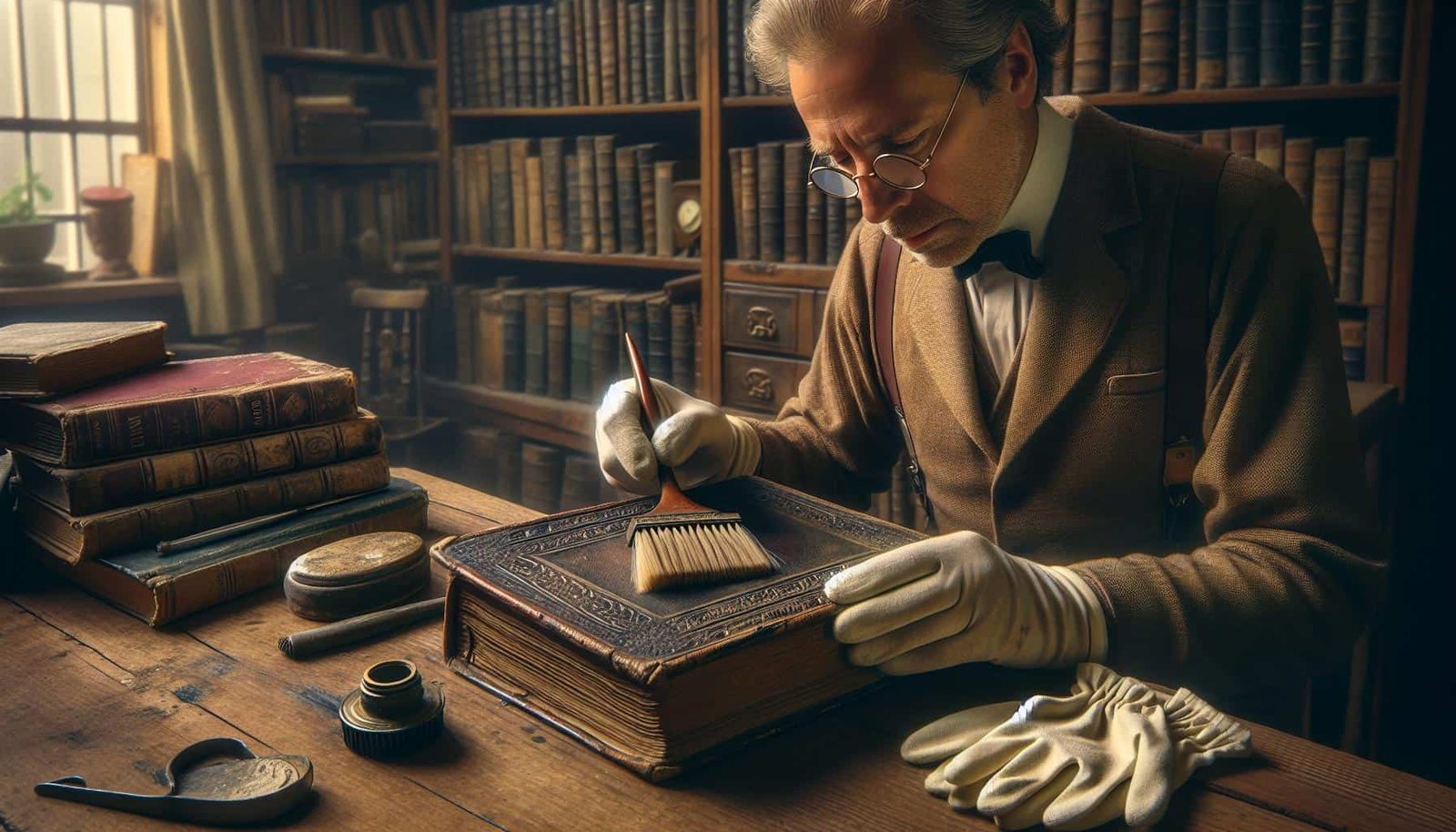
Overview of Antique Book Restoration
Antique book restoration involves preserving the integrity of valuable literary works. Handling these treasures requires a delicate touch, ensuring they remain intact for future generations. You’ll encounter techniques that vary from simple cleaning to intricate repairs. Understanding the extent of restoration needed is crucial.
DIY methods can be appealing. You might enjoy experimenting with basic repairs such as reattaching loose pages or cleaning dirt from covers. Resources on DIY techniques abound, offering step-by-step guidance. But, if the book shows signs of mold, severe damage, or missing sections, calling in a professional becomes vital. Professionals possess the expertise and tools necessary to restore books without compromising their authenticity.
Identifying when to seek help isn’t just about the book’s condition; it also involves recognizing your skill level. Some tasks require advanced techniques that only trained restorers can perform, especially for precious items valued in the context of a Dark Academia Codex collection.
I suggest you read 5 secret hacks to score rare books on a budget today
Eventually, possessing knowledge about antique book restoration empowers you to make informed decisions. Whether you meticulously work on your volumes or engage professionals, you help preserve the beauty and knowledge encapsulated in these literary artifacts. Explore more sections on our site to deepen your understanding of Dark Academia and vintage literature’s captivating world.
Benefits of DIY Restoration
Engaging with DIY restoration offers numerous advantages for those passionate about antique books. Through hands-on involvement, you not only preserve your literary treasures but also deepen your connection with the historical significance they hold.
Cost-effectiveness
DIY restoration stands out for its affordability. Conducting repairs at home eliminates the expense associated with hiring a professional. Basic materials, such as bookbinding glue or specialized cleaning supplies, often cost less than $50. You’ll notice significant savings, especially if you plan to work on multiple volumes in your collection. Also, by learning the techniques and skills necessary for restoration, you create a sustainable approach to maintaining your library, allowing you to invest more in expanding your collection instead.
I suggest you read How to spot a first edition: secrets from seasoned collectors
Personal satisfaction
Experience the joy of transforming a worn antique book back to its former glory. Completing a restoration project offers a unique sense of accomplishment. Each successful repair not only rebuilds the physical integrity of a book but also enriches your understanding of its history. Many collectors find themselves immersed in the narratives each volume holds, turning restoration into a fulfilling hobby. As you work, consider how this process aligns with the ethos of the Dark Academia aesthetic—a celebration of knowledge, art, and literature. Reconnect with your literary passion as you handle these artifacts, fostering a deeper appreciation of their beauty. Ready to dive deeper? Explore more sections on Dark Academia Codex for tips and inspiration in your literary journey.
When to Call a Professional
Recognizing when to call in a professional for antique book restoration is crucial for preserving your literary treasures. Some instances call for expert intervention, as even experienced enthusiasts may find certain repairs beyond their skill set.
Warning signs of severe damage
Severe damage manifests in various forms. Look for significant tears, missing pages, or excessive discoloration, indicating deeper issues. Mold or mildew presence demands immediate professional attention, as these contaminants can compromise both the book’s structure and safety. Also, warped covers or spine damage signals that you should not attempt repairs yourself. You risk further deterioration without the right tools or techniques. If you notice inconsistencies in the binding or the paper crumbling in your hands, that clearly indicates you need a professional’s expertise. Experts can assess the level of damage accurately and apply appropriate restoration methods that maintain the book’s integrity.
I suggest you read Navigating estate sales: discover hidden book treasures now
Benefits of professional restoration
Professional restoration offers numerous advantages. It’s not just about repairs; it’s about enhancing and preserving the historical value of your books. Trained professionals use specialized techniques and tools to restore materials, ensuring lasting results. While DIY options may seem appealing, they often lack the precision required for delicate items. Imagine trusting an antique book to someone with extensive knowledge of preservation techniques; your book regains its essence while keeping its authenticity intact.
Also, professionals can provide conservation advice tailored to your specific collection, enhancing your understanding of care practices. This guidance aligns well with the values of Dark Academia, where preserving literary history is paramount. Investing in professional restoration can also increase your book’s value, making it a worthy addition to your collection. There’s no substitute for expertise in safeguarding your treasures.
Explore more sections of Dark Academia Codex to learn about restoration techniques and deepen your engagement with the beauty of literary preservation.
Essential Tools and Materials for DIY
Engaging in DIY restoration of antique books requires specific tools and materials. Having the right equipment ensures the preservation of your literary treasures while enhancing your skills.
Basic tools for beginners
- Bone folder: A classic tool for making precise creases. This assists in folding materials without damaging them.
- Scissors: Sharp scissors allow for clean cuts when trimming or shaping paper.
- Tweezers: Essential for precise handling of delicate components. Tweezers help you place small items without causing damage.
- Craft knife: A sharp craft knife aids in making detailed cuts on paper and other materials.
- Cutting mat: Protects your work surface and absorbs cuts, ensuring durability during your projects.
- Ruler: A sturdy metal ruler helps maintain straight edges while measuring or cutting.
Starting with these basic tools enhances your confidence and ensures you can tackle simple tasks like attaching loose pages or gentle cleaning.
- Archival glue: This acid-free adhesive resists yellowing and ensures longevity without compromising the book’s integrity.
- Japanese paper: Widely used for repairs, this paper provides strength while blending in seamlessly with the original pages.
- Microspatula: Ideal for delicate projects, a microspatula allows you to apply glue and adjust materials easily.
- Cotton gloves: Wearing cotton gloves prevents oils and residues from your hands from transferring to the book.
- Soft brushes: These brushes gently remove dust and dirt without causing damage to fragile surfaces.
- Watercolor paints: If you need to touch up damaged areas, watercolor paints help blend repairs with the original design.
Exploring these tools and supplies unlocks the potential for successful DIY restoration. Dive deeper into Dark Academia Codex to discover more about the art of preservation and the beauty of your literary heritage.
Step-by-Step Guide to DIY Restoration
Engaging in the restoration of antique books can deepen your appreciation for their history. Here’s a practical guide to help you through the process.
Cleaning the book
Cleaning your antique book properly is crucial for preservation. Start by laying the book flat on a clean, dry surface. Use a soft brush to gently remove dust and debris from the cover and pages. For stubborn dirt, slightly dampen a cotton cloth with distilled water, ensuring it’s not wet enough to damage the paper. Dab the affected areas carefully. Avoid using chemicals, as they may cause further damage. After cleaning, allow the book to air dry fully before storing it properly. Keeping your antique book clean protects not only its appearance but also its historical value, aligning beautifully with the Dark Academia aesthetic.
Repairing pages and binding
Repairing pages and binding is essential for maintaining structural integrity. Begin by assessing the damage. For torn pages, use archival glue to carefully align and reattach them. Ensure that you apply a thin layer, as too much adhesive can warp the paper. For loose bindings, gently peel away any remaining threads and secure them with new archival linen thread. If the spine is severely damaged, consider using Japanese paper as a backing. This method strengthens the binding without compromising the book’s original style. Each small repair allows you to restore its literary heritage, enriching your connection with the tome’s past. Don’t hesitate to explore other techniques related to antique book care on the Dark Academia Codex website for deeper insights.
Restoring antique books can be a rewarding journey that deepens your appreciation for literary history. By weighing the benefits of DIY methods against the need for professional expertise, you can make informed choices that protect your valuable volumes.
Whether you choose to tackle minor repairs yourself or seek professional help for significant damage, understanding the balance between personal involvement and expert intervention is key. Remember, preserving these treasures not only safeguards their physical condition but also honors the stories they hold. Your decisions today can ensure that these books continue to inspire future generations.
