
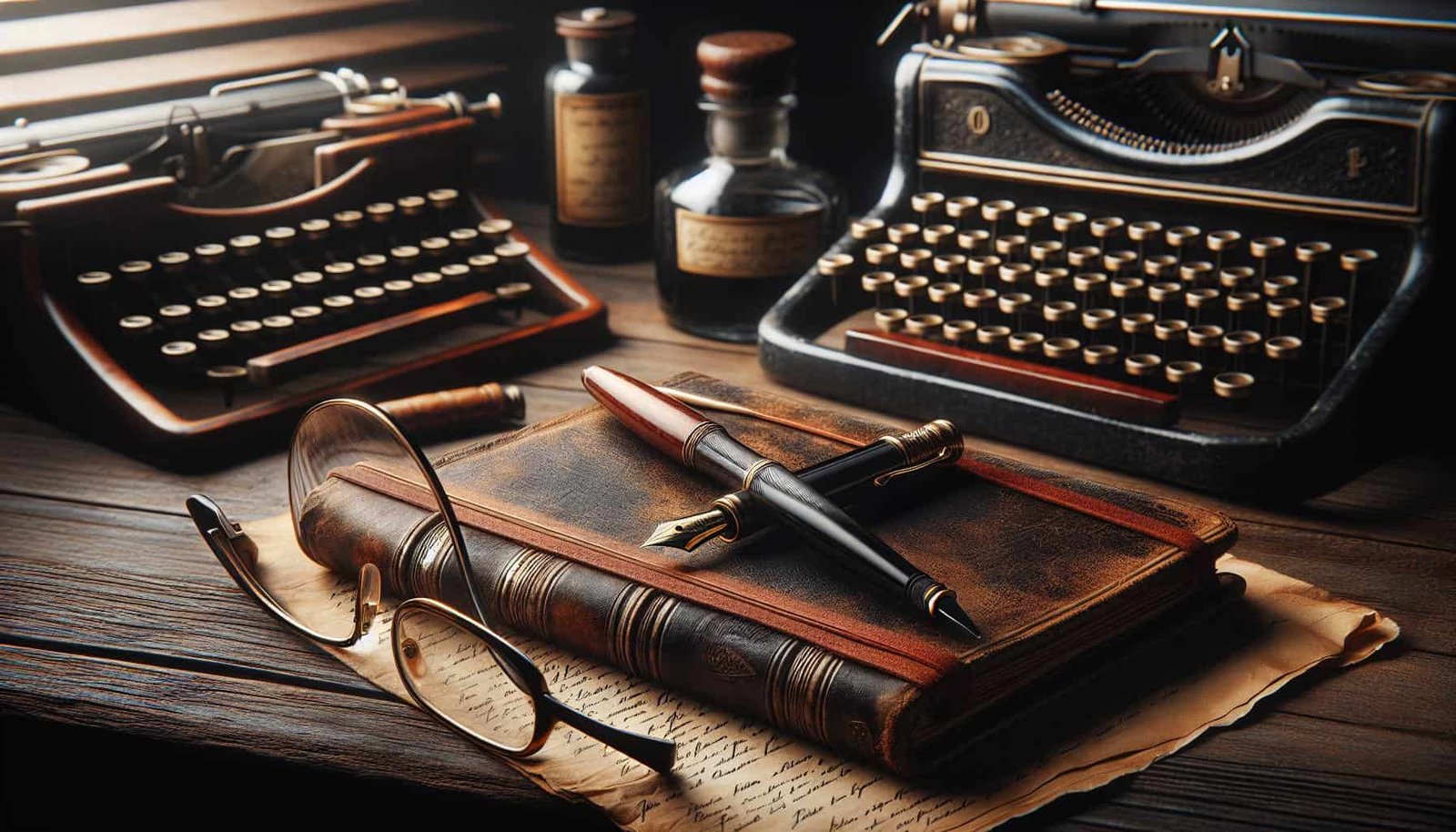
The Secret History of Vintage Fountain Pens in Literature
Vintage fountain pens aren’t just tools; they are vessels of creativity that have danced through the hands of some of the most celebrated authors in history. Imagine the moments when literary giants like F. Scott Fitzgerald and Virginia Woolf put quill to paper, their ideas flowing from the nib of an elegant fountain pen. This aesthetic experience is key to the allure of Dark Academia, where every detail of the writing process is an art form unto itself.
These beautiful pens have hidden tales woven into the fabric of literature. Take Ernest Hemingway, for example. He wrote his unfiltered prose with a fountain pen that felt as lively as his characters. It’s said that the tactile experience of writing with such precision inspired the raw emotions captured in his stories. This connection elevates the act of writing from mundane to extraordinary, embodying the very essence of the Dark Academia codex.
Look closely at the pen’s craftsmanship. The smooth flow of ink encourages contemplation. Each stroke is a visual representation of thoughts and feelings. Vintage fountain pens became symbols of a world where passion was poured onto the page—where ink mingled with the soul of the writer, creating a legacy cherished by readers through time.
I suggest you read The dark side of vintage pen collecting: avoid costly pitfalls
Historical Context
Vintage fountain pens have a rich history that entwines with the literary giants who wielded them. These writing instruments were not just tools; they were extensions of creativity, embodying the ethos of the Dark Academia Codex, where classical learning meets artistic expression. As you dive deeper into this history, you will uncover the ways these pens shaped the written word and the minds behind it.
Evolution of fountain pens
The journey of the fountain pen begins in the early 19th century, evolving from primitive designs to the elegant instruments we admire today. The first patented fountain pen in 1827 was a game-changer, offering a more consistent ink flow that allowed writers to capture their thoughts without the fuss of traditional quills. As mechanics improved, artisans began crafting pens from precious materials, elevating them to objects of desire among writers and collectors alike.
By the time the early 20th century arrived, pens adorned with intricate designs and luxurious finishes became commonplace. This era resonated with authors like F. Scott Fitzgerald and Virginia Woolf, who valued the tactile pleasure of writing with these beautifully crafted instruments. Using a vintage fountain pen became an intimate experience, almost like conversing with a trusted friend—a perfect companion for nurturing creativity and inspiration.
I suggest you read Vintage fountain pens vs. modern pens: the dark academia debate
Significance in literary circles
In literary circles, fountain pens symbolize more than mere practicality; they represent a connection to tradition and the beauty of the written word. You can imagine iconic authors hunched over their desks, their thoughts flowing effortlessly onto parchment, guided by the rhythmic scratch of their beloved fountain pens. These writers understood that the act of writing was a physical manifestation of their creativity, and the pen became an essential part of their artistic repertoire.
Think about the raw prose of Ernest Hemingway. The smooth glide of ink from a vintage fountain pen mirrored his concise yet powerful storytelling. In a world where digital writing has often overshadowed traditional methods, the vintage fountain pen stands as a testament to a time when words were cherished and crafted with care. Each stroke of the pen carried an essence of the author, transforming mere text into a reflection of their soul. So why not explore your own connection to this beautiful craft? Jump into the Dark Academia Codex’s world of literature and learn how the art of writing can elevate your own creative journey.
Key Literary Figures
Vintage fountain pens have undoubtedly etched their marks in the annals of literary history. These exquisite instruments have been cherished by many noteworthy authors, adding an air of sophistication to their creative processes.
I suggest you read Vintage pen collecting: a dark academia treasure for you
Famous authors known for using fountain pens
Esteemed writers like F. Scott Fitzgerald and Virginia Woolf held a deep appreciation for vintage fountain pens. Fitzgerald’s powerful prose flowed effortlessly from the nib of his favorite pen, translating his vivid imagination into the jazz-age narratives we adore today. Woolf, an emblem of modernist literature, expressed the intricacies of human thought and emotion with her fountain pen, which became an extension of her very self. You can’t help but feel inspired picturing her seated by a window, ink gently pooling on the page as she pens her stream of consciousness.
Other literary giants like Ernest Hemingway also embraced fountain pens, using their tactile nature to capture raw, visceral prose. Hemingway famously wielded his pen like a sword, crafting narratives that spoke volumes about the human experience. As you explore the stories behind these pens, you might just find that each one has a secret connection to the alluring world of Dark Academia.
Impact on their writing processes
The impact of vintage fountain pens goes far beyond aesthetics. For many authors, the smooth glide of ink represents fluidity in thought, encouraging creativity to soar. Fitzgerald, for instance, found that writing with a fountain pen allowed him to immerse himself deeply into his characters, shaping their realities. The act of writing itself transformed into a ritual, connecting him intimately with the craft.
Virginia Woolf often described the experience of writing as an act of liberation. The tactile feedback from her fountain pen helped her navigate complex ideas, transforming them into lyrical expressions. With each stroke, she dived deeper into the human psyche, revealing layers of emotion and intellect. This connection between the pen and the writer’s mind is palpable, echoing across time and inviting you to engage with your creative self.
So as you investigate further into this fascinating exploration of vintage fountain pens, consider how these instruments might enhance your own writing journey. Check out the main sections of Dark Academia Codex and discover how the beauty of literature and art intertwines in this captivating aesthetic.
Cultural Impact
Vintage fountain pens have an undeniable cultural impact, intertwining the worlds of creativity and literature like threads in a rich world. They serve not just as writing instruments but as symbols of artistic expression that resonate deeply within the Dark Academia Codex aesthetic. Every stroke of a fountain pen captures a moment in time, reflecting the thoughts and emotions of some of the greatest literary minds.
Fountain pens in the literary world
Fountain pens have a storied history in literature, becoming treasured companions for authors like F. Scott Fitzgerald and Virginia Woolf. Imagine Fitzgerald, with his luxurious pen gliding across the page, bringing characters to life in “The Great Gatsby.” Each curve and twist of the pen harmonizes with the rhythm of his prose, capturing the spirit of the Roaring Twenties. Virginia Woolf, too, found solace in the smooth flow of ink as she penned her thoughts in essays and novels. The pens weren’t merely tools; they were extensions of their creativity, allowing them to explore the depths of human experience with every letter and phrase. This personal connection highlights a fundamental aspect of the Dark Academia aesthetic — the beauty of thought captured in writing.
Representation in literature
Fountain pens have made their mark not only in the hands of writers but also on the pages of literature itself. They appear in classic novels, symbolizing the art of writing and the importance of intellectualism. Think about how a character might be portrayed meticulously writing a letter, the nib whispering against paper, encapsulating emotions directly and authentically. This portrayal echoes the values of the Dark Academia Codex, where knowledge and art walk hand in hand.
Also, these elegant writing instruments often represent the quiet intensity of scholarly pursuits and the passion for written expression. Whether in the hands of a tortured poet or a contemplative philosopher, the fountain pen signifies a commitment to craft. It invites readers into a world where every word matters. Dive deeper into this area of literary charm and discover how the legacy of vintage fountain pens continues to inspire you. Explore the main sections and blog for a richer understanding of the Dark Academia aesthetic.
Collecting Vintage Fountain Pens
Delving into the world of vintage fountain pens can be an exhilarating journey. Each pen you consider carries with it a story that echoes the rich aesthetic of Dark Academia Codex. As you immerse yourself in this passion, here’s what to keep in mind.
Tips for collectors
Start by educating yourself about the history and craftsmanship behind fountain pens. Familiarize yourself with terms like nib, feed, and ink reservoir. These components are crucial to understanding a pen’s functionality. Visit local pen shows or online forums where fellow enthusiasts gather. You might even discover hidden treasures through social media groups or auctions.
When you buy, prioritize condition over brand reputation. A well-maintained pen can be more valuable—and enjoyable to use—than a rare model in disrepair. Don’t shy away from asking sellers about the pen’s history. Each pen tells a tale, and knowing its background adds to your collection’s narrative. Plus, investing in a restoration kit could transform a worn-out pen into a treasured writing instrument that mirrors the elegant scripts of literary greats.
Notable brands and models
In the area of vintage fountain pens, some brands have earned a legendary status. Think about classic names like Parker, Sheaffer, and Waterman. Each brand has distinct models that resonate with writers and collectors alike. For instance, the Parker 51 is celebrated for its sleek design and smooth writing experience. Originally launched in 1939, it became a staple not just for writers but also for scholars, embodying the spirit of scholarly pursuits in the Dark Academia aesthetic.
Another notable model is the Sheaffer Balance, known for its beautiful art deco designs. It’s not just a pen; it’s a piece of art that complements your writing endeavors. Don’t overlook the Waterman 52, whose vintage aesthetic captures the imagination of collectors and writers alike. Recognizing these brands is crucial for building a collection that reflects your appreciation of classical learning and literature.
Performance in Writing
The performance of vintage fountain pens in writing is a captivating topic for any literary enthusiast. These pens offer a unique experience that goes beyond simply putting ink on paper.
Writing experience with vintage fountain pens
When you hold a vintage fountain pen, you feel a connection that modern tools often lack. The smooth glide of the nib across the page is akin to a dance, each movement graceful and deliberate. Writing with one of these exquisite instruments transforms mere words into art. Consider famous authors like F. Scott Fitzgerald and Virginia Woolf. They found that the tactile feedback of these pens deepened their focus and immersion into their stories. The act of writing became a ritual, merging creativity and expression in a way that only vintage fountain pens can offer. You might find yourself losing track of time as ink flows seamlessly, the anticipation of each new stroke drawing you deeper into your thoughts. It all ties into the aesthetic of Dark Academia Codex, where the blend of beauty and intellect reigns supreme.
Comparing with modern writing instruments
Now let’s contrast this with modern writing instruments. While ballpoint and gel pens can be convenient, they often lack the character and charm of vintage fountain pens. Unlike those sleek, mass-produced alternatives, vintage fountain pens invite you to slow down and savor the process of writing. Each pen boasts its own unique personality shaped by history. For example, a Parker 51 has a reputation for reliability and elegance, making it a staple among collectors and writers alike. In comparison, many modern pens prioritize speed and efficiency over artistry. You might notice that modern pens can lead to a hurried writing style—which may result in a loss of meaning or emotion in your notes or letters. Vintage fountain pens encourage a thoughtful pace, embodying the slow, deliberate grace that the Dark Academia aesthetic cherishes.
Explore more about the enchanting world of vintage fountain pens and enrich your writing experience—dive deeper into Dark Academia through our website’s main sections and blog for further insights.
Embracing the world of vintage fountain pens opens up a treasure trove of creativity and artistry. You’re not just holding a writing tool; you’re connecting with a legacy that has shaped literary history. Each pen carries stories of inspiration from great authors who transformed their thoughts into timeless prose.
As you explore collecting these exquisite instruments, you’ll discover the joy of writing becomes a ritual. The tactile experience of gliding ink across paper invites deeper immersion into your craft. Vintage fountain pens aren’t just about nostalgia; they’re about enhancing your writing journey and celebrating the beauty of the written word. Jump into this enchanting area and let your creativity flow!
