
How to Write Like a Gothic Scholar: Vintage Pen Edition
Writing like a gothic scholar requires embracing the beauty of your surroundings and incorporating elements of the Dark Academia Codex. Follow these steps for a captivating experience.
- Choose your vintage pen. Select a fountain pen or quill that resonates with you. Feel the weight in your hand and appreciate the craftsmanship. The connection between you and the pen facilitates creativity.
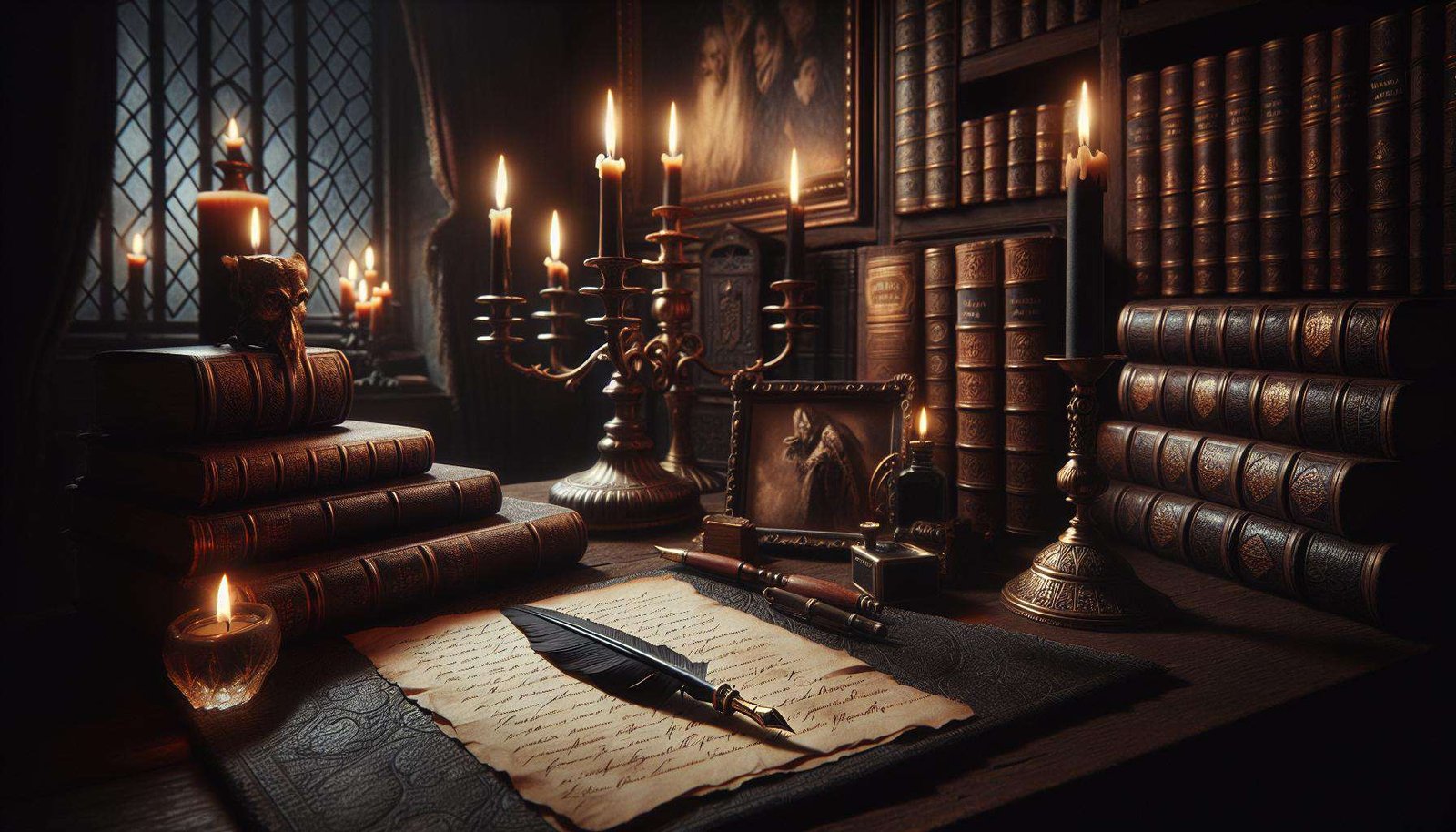
- Create a ritual. Set the mood by dimming the lights and lighting candles. Surround yourself with books, art, or skeletal figurines that evoke the aesthetic of gothic studies. Rituals enhance focus and inspire creativity.
- Write in a journal. Opt for textured paper that invites ink. Protect your thoughts on the page as you allow the pen to glide, creating elegant script. A journal is your vessel for exploration, documenting dark thoughts and inspired ideas.
- Explore themes and imagery. Immerse yourself in gothic literature—consider poets like Edgar Allan Poe or authors like Mary Shelley. Let their themes seep into your writing, conjuring imagery that echoes through your words.
- Embrace poetic structures. Experiment with sonnets or free verse. The rhythm of your writing can evoke a haunting atmosphere, transporting readers to shadowy corners of the mind.
- Reflect on your writing. Review your pieces with a critical eye. Look for moments of brilliance and areas needing refinement. Dialogue with your work ensures growth and consistency in style.
Understanding Gothic Scholarship
Gothic scholarship invites you into a area where intellectual pursuits intertwine with the romanticism of darker themes. It encompasses deep explorations of literature, art, and philosophy through a lens that values the complexities of human experience.
What is gothic scholarship?
Gothic scholarship delves into the intersection of knowledge and emotional depth, highlighting narratives that grapple with existential questions. It examines works that evoke feelings of nostalgia, melancholy, and beauty. By studying Gothic literature, you uncover layers of meaning that enrich your understanding of culture and society. This academic pursuit not only celebrates the classic texts but also encourages critical thinking about dark themes, such as alienation and moral ambiguity.
I suggest you read How to avoid rookie mistakes when buying your first vintage fountain pen
In this exploration, you might encounter names like Mary Shelley and Edgar Allan Poe, whose writings encapsulate the essence of the gothic. The duality found within gothic scholarship offers insight into the human condition, urging you to reflect on your perspectives and experiences in academia.
Key characteristics of gothic writing
Gothic writing features distinctive characteristics that make it captivating. Elements such as atmospheric settings, rich descriptions, and complex characters dominate this genre. You’ll find ornate language that conveys deep emotion alongside intricate details, often evoking shadowy libraries and candlelit studies.
Characters frequently embody archetypes, such as the tortured genius or the outsider, exploring oppressive academic environments. These roles share their struggles with belonging and identity, resonating with you on a personal level. Themes of intellectualism juxtaposed with existential anxiety prevail, inviting you to question accepted norms.
I suggest you read From quills to vintage pens: rediscover dark academia tools
As you immerse yourself in gothic writing, consider experimenting with narrative structure, rich imageries, and philosophical undertones. These elements elevate your writing, allowing you to create an enchanting atmosphere that captivates readers.
Ready to dive deeper into the world of gothic scholarship? Explore the Dark Academia Codex for more insights and inspiration on classical learning and literature.
Choosing Your Vintage Pen
Selecting the right vintage pen transforms your writing experience, embodying the essence of Dark Academia. The pen is not just a tool; it serves as an extension of your thoughts and creativity.
I suggest you read The unexpected connection between vintage pens and success
- Fountain pens: For a smooth flow of ink and a classic feel, fountain pens offer elegance. Options range from sleek, modern designs to ornate, antique styles. Their varied nib sizes provide flexibility in writing styles, giving each word a distinct personality.
- Quills: Nothing captures the gothic spirit quite like a quill. These timeless instruments evoke the image of candlelit studies. They require practice and commitment, but the unique lines and character they create are unmatched.
- Dip pens: Dip pens combine the artistry of quills with modern functionality. These pens allow you to switch between nibs that suit different styles. Experimenting with ink colors enhances your creative expression, aligning perfectly with the aesthetic of Dark Academia.
- Ballpoint pens: Though contemporary, vintage ballpoints have their charm. Choose models with intricate designs or unique colors to add a touch of elegance. They offer convenience, making them suitable for jotting down sudden bursts of inspiration.
Explore each type to find one that resonates with your writing style. Your choice of pen not only enhances your writing experience but also connects you to the rich tradition of gothic scholarship. Jump into the world of vintage pens to uncover their magic and start your journey into the depths of the Dark Academia Codex.
Selecting the Right Ink
Choosing the right ink elevates your gothic writing experience. Ink color impacts mood and aesthetic. Black ink presents a classic look, conveying mystery and depth. Deep green or burgundy ink offers a distinctive twist, enhancing the vintage feel.
- Consider permanence. Select archival-quality ink for longevity. This choice ensures your words endure, preserving your literary musings as part of the Dark Academia Codex.
- Test viscosity. Experimenting with different ink viscosities shapes your writing style. Thicker inks provide a rich, luxurious flow. Thinner inks allow for more precise lines and intricate details.
- Explore dye-based versus pigment-based inks. Dye-based inks tend to have vibrant colors but may fade. Pigment-based inks offer durability, suitable for pieces meant to last through generations.
- Match your pen type. Fountain pens often thrive with specific inks. Quills and dip pens require ink with the right consistency to avoid clogging. Your choice of ink should complement the vintage pen type you’re using.
- Seek inspiration from gothic literature. Many classic authors had their preferred ink shades. Channeling their spirits through ink selection can enhance authenticity in your writing.
Immerse yourself in the world of ink to discover what resonates. Find the right balance and allow your words to echo through time. Explore more on the Dark Academia Codex for deeper insights into the intricacies of gothic writing.
Maintaining Your Vintage Pen
Caring for your vintage pen enhances writing experiences. Follow these steps to ensure longevity and optimal performance.
- Clean regularly: Cleaning removes dried ink and debris that can clog the nib. Use warm water for fountain pens and a soft cloth for quills. Rinse thoroughly once a week if you write frequently.
- Store properly: Store your pen horizontally or nib down. Positioning prevents ink from drying out and protects the nib from damage. Keep your pen in a case or pouch to avoid scratches.
- Refill wisely: Choose quality ink. Inferior ink can damage the nib or cause blockages. Always use archival-quality ink for a gothic flair that resonates with the timeless essence of Dark Academia.
- Test before use: Always test the pen on scrap paper before writing important pieces. This ensures that the ink flows smoothly and provides the expected writing experience.
- Handle with care: Treat your vintage pen delicately. The craftsmanship deserves respect. Avoid dropping it or applying excessive pressure while writing.
Maintaining your vintage pen not only preserves its beauty but also enhances your connection to the Dark Academia aesthetic. Explore more insights on the Dark Academia Codex for further guidance and elevate your writing journey.
Preparing to Write
Creating the right ambiance significantly enhances your writing experience.
Setting the atmosphere
Set the scene for your gothic writing journey by designing an atmosphere that resonates with the Dark Academia aesthetic. Dim the lights to create shadows that dance across the room. Light a few candles to fill the air with soft flickers and perhaps a hint of your favorite vintage scent. Surround yourself with leather-bound books that whisper secrets of the past and art pieces that evoke the moody elegance of classical times.
Place a textured journal within reach. The combination of the pen gliding across the paper and the surroundings will inspire your thoughts. Think about incorporating music that evokes a sense of melancholy or nostalgia, such as compositions by Chopin or Debussy.
Immerse yourself in the world of gothic literature to augment creativity. Authors like Mary Shelley and Edgar Allan Poe offer rich, atmospheric narratives that fuel your writing. As you start to write, let the ambiance shape your words. Jump into this experience, and allow the environment to influence your thoughts and creativity.
Explore more sections and insights on the Dark Academia Codex to fully embrace the beauty of your writing journey.
Gathering Inspiration
Inspiration lies within the shadows of history and literature, waiting for you to unearth it. Explore classic texts from gothic authors like Mary Shelley and Edgar Allan Poe. Their rich narratives spark ideas and evoke the gothic spirit that defines Dark Academia.
Consider visiting local libraries or vintage bookstores. Surrounded by leather-bound tomes and the scent of aged paper, your mind can wander to dark, haunting visuals that inspire your writing. Engage with art that resonates with you—look at paintings that capture eerie atmospheres or delicate suffering. This immersive experience fuels creativity, enriching your gothic narrative.
Read poetry that weaves together beauty and melancholy. Poets often encapsulate emotions with brevity, creating powerful imagery. Let their words linger in your mind; they serve as a guide when crafting your own text. Write down themes and feelings that arise from these influences.
Reflect on personal experiences as well. The depth of your experiences can give strength to your writing. Explore inner struggles and realizations.
As you gather inspiration, keep a journal. Document thoughts, snippets of dialogue, and character ideas. This collection becomes your repository of creativity, a well from which to draw when crafting tales steeped in the Dark Academia aesthetic.
For more insights and inspiration, dive deeper into the Dark Academia Codex. Explore articles and sections dedicated to the beauty of writing, art, and literature, inviting you to indulge in this captivating world.
Outlining Your Ideas
Outlining your ideas sets the foundation for your gothic scholarship journey. Start by jotting down main themes. Think of the haunting emotions, rich landscapes, and complex characters you want to explore. Creating a mind map helps visualize connections among these themes. Each branch can represent a different aspect of your topic.
Next, develop key points for each theme. For example, if your theme centers around alienation, consider how it manifests in characters’ struggles or settings. Use bullet points for clarity. This structured approach can guide your writing while allowing room for creativity.
Revising your outline enhances depth. Consider questions like: What emotions do you want to evoke? What images will resonate with readers? This reflection aligns your writing with the evocative essence of Dark Academia.
Also, explore inspiration sources. Investigate into classic texts from authors in the Dark Academia Codex, like Mary Shelley. Analyze the way they build atmosphere. Incorporate elements that echo their style into your outline for authenticity.
Finally, let your outline evolve. While writing, remain flexible. Your initial ideas may shift as inspiration strikes. Embrace the process and allow your thoughts to murmur in the shadows.
For more insights into the intricate world of Dark Academia, explore our site’s main sections and blog. Unravel the beauty of classical learning, literature, and art, and let your journey to mastering gothic scholarship begin.
Writing Style Techniques
Writing like a gothic scholar involves a deep understanding of language. Each word carries weight. The essence of your writing reflects the rich aesthetics of Dark Academia.
Embracing gothic language
Embrace a vocabulary that resonates with the gothic aesthetic. Use words that evoke emotion and atmosphere. Terms like “melancholy,” “ethereal,” and “nostalgia” can enhance your prose. Rich and vivid descriptions create a sensory experience for your readers.
In your writing, employ long, eloquent sentences interspersed with shorter, punchy phrases for contrast. This variation captivates readers’ attention. Consider the rhythm of your language. Each sentence builds upon the last, drawing the reader deeper into your world.
Explore the works of gothic authors for inspiration. Their vivid imagery and emotive language offer a treasure trove of ideas. Engaging with classic literature widens your vocabulary while enriching your style. As you write, let your words flow with grace and gravity, resonating with the spirit of the Dark Academia Codex.
Incorporating literary elements
Incorporate literary elements to deepen your writing and enrich the narrative. Imagery paints pictures. Use metaphors and similes to convey complex emotions. For instance, likening a stormy night to tumultuous thoughts can evoke a relatable experience.
Character development is crucial. Create multifaceted characters who grapple with inner conflicts—common themes in gothic literature. Allow their journeys to reflect broader societal questions.
Also, consider narrative structures. Experiment with nonlinear timelines or introspective dialogue. Such techniques mirror the complexity and depth prevalent in gothic themes.
Reflect on existential questions through your characters and stories. Addressing themes of alienation, identity, and moral ambiguity invites readers into thought-provoking discussions. For further insights on these techniques, jump into the main sections of the Dark Academia Codex. Engage with our blog for deeper exploration.
Experimenting With Structure
Experimenting with writing structure plays a crucial role in embodying the essence of gothic scholarship. By varying your approach, you invite creativity and depth into your work.
- Start with a central theme. Choose a dominant idea that resonates with the Dark Academia aesthetic, whether it’s existential musings or the beauty of decay. This central theme will serve as your anchor, guiding your writing.
- Use non-linear narratives. Challenge traditional storytelling by weaving your narrative in unexpected ways. Start in the middle and flash back to pivotal moments. This technique keeps readers on their toes and adds an element of mystery reflective of gothic literature.
- Incorporate poetic elements. Poetic devices—such as enjambment, alliteration, and vivid imagery—imbue your writing with rich textures. This aligns your style with the haunting atmospheres found in the Dark Academia Codex.
- Create vignettes or snapshots. Present brief, standalone scenes within your writing. Each snapshot can focus on a singular emotion or setting, cultivating an ethereal quality. This approach mirrors the fragmented nature of gothic tales.
- Embrace dialogue. Incorporate character conversations to reveal motivations and emotions, adding life to your structure. Interactions between characters can serve as gateways to deeper themes, reflecting the complexity present in gothic narratives.
By embracing these structural variations, you can elevate your gothic writing and captivate your readers. Ready to investigate deeper? Explore different sections of Dark Academia Codex for more insights and techniques that nurture your creative journey.
Tips for Enhancing Your Gothic Writing
Elevate your gothic writing by immersing yourself in the atmospheric richness of Dark Academia. Here are some essential tips to deepen your aesthetic writing experience.
Reading gothic literature
Engage deeply with classic Gothic literature. Pay attention to the stylistic nuances of authors like Edgar Allan Poe and Mary Shelley. Their works often feature vivid imagery that conveys darkness and beauty. Notice how they employ haunting language and rich descriptions to evoke emotion and tension.
For instance, reading Frankenstein will reveal how the themes of ambition and isolation resonate through atmospheric settings. Also, explore contemporary gothic novels that resonate with Dark Academia themes. Books like The Secret History blur the line between intellect and moral ambiguity. This exploration nourishes your creativity and blends seamlessly with your academic pursuits.
As you jump into different texts, make notes of compelling phrases and techniques that inspire you. Reflecting on these can spark new ideas in your writing journey, leading you to deepen your understanding of gothic themes. Jump into the Dark Academia Codex for more literary inspirations and insights.
Writing prompts for gothic style
Writing prompts allow you to stretch your imagination. Consider themes central to gothic literature. For example, write about a forgotten library tucked away in misty woods, where whispers of long-lost knowledge echo through the pages of leather-bound tomes.
Alternatively, you might depict a character grappling with ethical dilemmas within elite academic circles. Such scenarios can reflect real-life pressures experienced in academia, connecting your writing with the broader truths of society.
Use prompts that encourage deep reflection. Ask questions like, “What if a deep-seated family secret is revealed during a candlelit dinner?” This can serve as a launchpad for narrative exploration. You can craft narratives that explore moral complexity while reflecting on themes of beauty and decay.
By regularly practicing with these prompts, your writing becomes an invitation for readers to journey alongside you. Explore more resources and prompts in the Dark Academia Codex, and let the allure of gothic literature inspire your unique storytelling.
Troubleshooting Common Issues
Exploring the writing process like a gothic scholar can lead to creative challenges. Identifying and overcoming these common issues often elevates your writing experience.
Writer’s block
Writer’s block can feel daunting. Explore the roots of this hindrance by reflecting on your emotions or the themes you’re exploring. Engage with gothic literature from the Dark Academia Codex to ignite inspiration. Read a poem by Edgar Allan Poe; immerse yourself in the eerie beauty of his words. Consider setting a timer for focused writing sessions. Write freely without worrying about perfection. You might discover that unleashing your thoughts helps to lift the fog.
Maintaining pen flow
Maintaining smooth ink flow is crucial for a pleasant writing experience. If your vintage pen skips, it might be time to check the ink. Use quality, archival ink to reduce clogs and enhance fluidity. If ink flow remains inconsistent, try shaking the pen gently for a moment. Regular cleaning also ensures optimal performance—simple maintenance keeps your connection to the Dark Academia Codex intact. Store your pen horizontally; this minimizes issues caused by gravity. Consistent care cultivates a deeper relationship with your writing tools.
Replacing ink and nibs
Replacing ink and nibs should feel straightforward and rewarding. First, understand the type of ink your vintage pen requires—choose dye-based or pigment-based based on your writing style. When replacing nibs, select those compatible with your pen model. If uncertainty lingers, visit local art stores or consult online communities for guidance. This collaboration often leads to helpful tips. The subtle act of refilling your pen connects you to your creativity; it embodies the spirit of gothic scholarship. Embrace maintenance as a crucial part of your artistic journey.
Explore further with the Dark Academia Codex. Jump into tips, tricks, and inspirations that echo through the halls of time.
Embracing the gothic scholar within you can transform your writing journey into something truly magical. With the right vintage pen and a few atmospheric touches, you’re well on your way to crafting words that resonate with depth and emotion.
Remember to let the shadows of history and literature inspire you. Jump into the works of classic authors and allow their haunting themes to shape your own narratives.
Keep experimenting with your style and structure to find what resonates best with your voice. The world of Dark Academia is rich and waiting for you to explore. So grab that pen and let your creativity flow. Happy writing!
