
The Dark Side of Collegiate Gothic: Myths and Legends
Investigate into the haunting myths and legends that swirl around collegiate gothic settings. You might find that these tales often reflect the intense pressures and moral ambiguities faced by students. The allure of knowledge can sometimes morph into something darker, serving as a backdrop for legends that warn against obsession and desire.
Consider the myth of the cursed library, a common motif in elite institutions. Students whisper that those who spend too long within its shadowy stacks become consumed by their studies, spiraling into madness. Such stories resonate with the experiences of many, where academic pressure transforms passion into peril. This cautionary tale ignites curiosity about the thin line between scholarly pursuit and obsessive behavior.
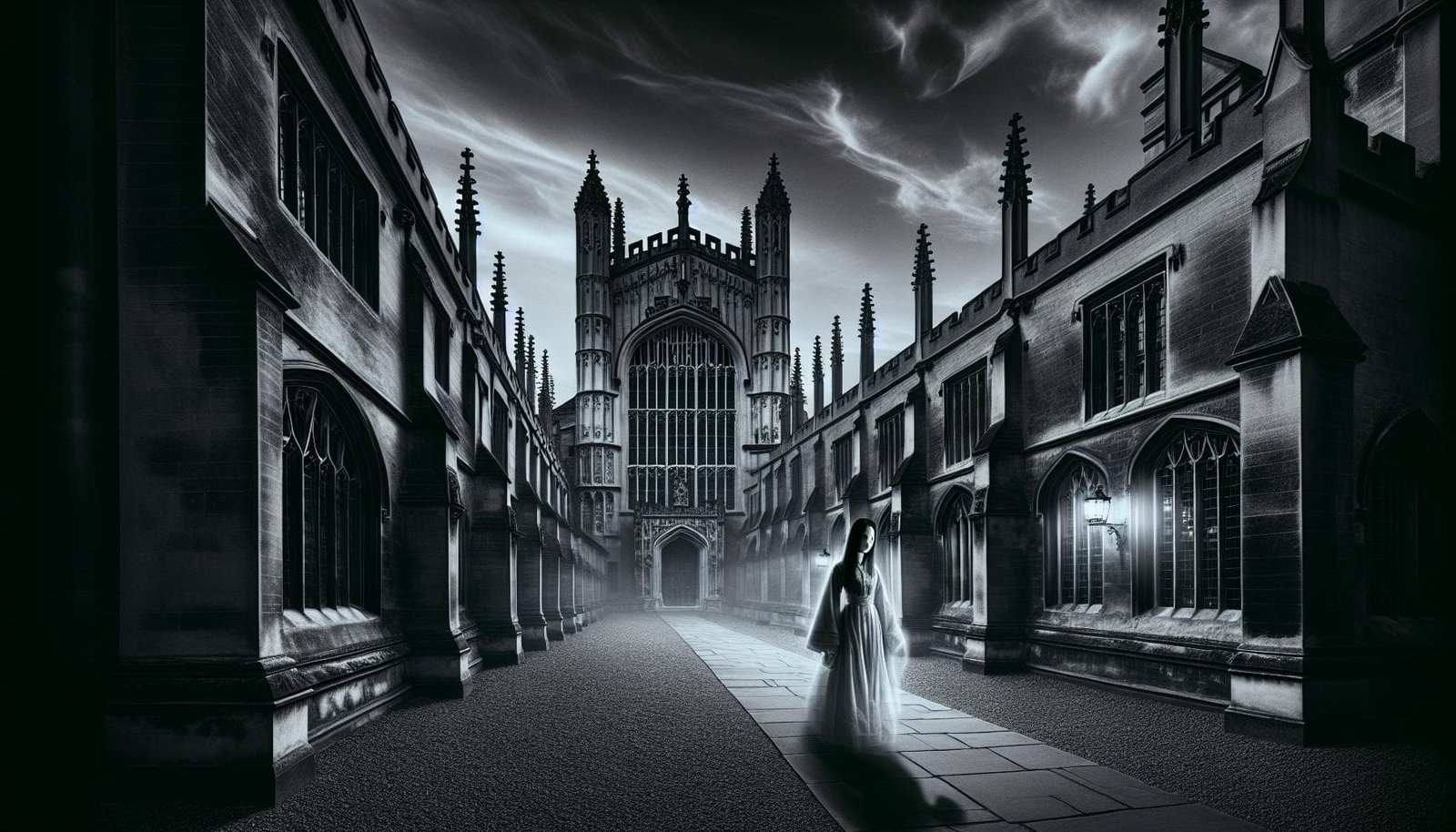
Reflect on the legend of the ghostly scholar roaming ancient hallways, symbolizing the relentless quest for wisdom. This apparition serves as a reminder of the sacrifices made for achievement. As students breathe life into these tales, they confront their own ambitions and the fears that accompany them. The merging of gothic elements with scholarly life gives these legends a unique depth that resonates with your experiences.
I suggest you read Chilling tales from Columbia’s most haunted buildings
You’re invited to explore more mythologies surrounding the dark academia aesthetic at Dark Academia Codex. Each story unveils layers of complexity tied to classical learning, providing a rich world of ideas waiting to be uncovered. Check out our main sections and blog for deeper insights into the captivating world of dark academia.
The Origins of Collegiate Gothic Architecture
Collegiate Gothic architecture emerged in the late 19th and early 20th centuries, serving as a nostalgic homage to medieval European universities. This architectural style reflects a romantic ideal of education, blending awe-inspiring aesthetics with a strong sense of tradition.
Historical context of collegiate gothic
Collegiate Gothic roots trace back to the cultural revival of the Gothic style during the 19th century. Architecture became a symbol of prestige in educational institutions, particularly in the United States, where universities sought to establish themselves as centers of intellectual excellence. Institutions like Princeton and Yale adopted this style to create a sense of heritage and gravitas.
I suggest you read Deciphering the dark allure of Brown University’s Van Wickle Gates
The design often invoked imagery of ancient libraries and halls of learning, reminiscent of Europe’s prestigious universities. This desire for an academic pedigree allowed these universities to craft narratives tied to intellectualism. Over time, the architectural elements cultivated an atmosphere resonating with Dark Academia Codex, where the pursuit of knowledge met a reverence for the past and its complexities.
Key features of collegiate gothic style
Collegiate Gothic stands out with its distinct architectural features, ensuring that each building becomes a testament to intellectual pursuit. Pointed arches, ribbed vaults, and intricate stone carvings characterize this style, creating a sense of grandeur and solemnity.
These structures intentionally evoke emotion, marrying function with a somber respect for education and history. The use of heavy materials like limestone and granite gives the buildings an enduring quality. Besides, stained glass windows adorn many of these institutions, filtering light into colorful patterns that enliven the dim interiors, reminiscent of scholarly deliberation amid shadowy halls.
I suggest you read How to spot gothic revival gems on your campus tour easily
Together, these components create environments where the weight of tradition feels palpable, beckoning you to explore the rich narratives behind collegiate Gothic architecture. Dive deeper into this aesthetic by browsing through the various sections and blog posts on the Dark Academia Codex, where you can unearth even more fascinating insights on the intersection of beauty and learning.
The Myths Surrounding Collegiate Gothic Campuses
The air on collegiate gothic campuses holds a sense of intrigue and mystery. You might find yourself drawn to the legends that have taken root in the very stone of these institutions, where academic ambition meets ethereal echoes of the past.
Urban legends on college campuses
Urban legends thrive in the halls of academia, transforming everyday experiences into cautionary tales. Students often share stories about secret tunnels beneath libraries, rumored to lead to ancient relics or hidden societies. These tales not only spark curiosity but also highlight the shared experiences of students exploring pressures and challenges. Some say those who venture into these tunnels might never return, making them a rite of passage cloaked in shadows. In this way, urban legends reflect the intense environment of collegiate life, where competition and camaraderie drive narratives rooted in both fear and fascination.
Ghost stories and haunted buildings
Ghost stories flourish in the world of collegiate gothic, breathing life into historical buildings. You may hear whispers of a ghostly scholar, a figure seen wandering the library in pursuit of knowledge long after the lights have dimmed. As legend has it, this phantom harbors wisdom but also a warning—a reminder of the fine line between dedication and obsession. Buildings like these often serve dual purposes: they’re places of learning, and they hold memories, both bright and dark. Each creak and shadow in the night may carry the weight of those who’ve walked before you, inviting you to ponder the stories woven into the very fabric of your surroundings.
Explore these myths further, and let the Dark Academia Codex guide you deeper into this captivating world.
The Legends Associated with Prominent Collegiate Gothic Institutions
The rich world of legends surrounding collegiate gothic institutions captivates the imagination. These tales add an unsettling layer to the already evocative atmosphere of prestigious universities.
Yale University: The Witch of Yale
Yale’s haunting story, known as the Witch of Yale, has circulated through generations. Legend has it that a student, accused of witchcraft during a darker period of the university’s history, became a spectral figure roaming the campus. Students claim she lingers near the Old Campus, searching for vengeance against those who wronged her.
Unconfirmed accounts speak of eerie occurrences during late-night study sessions, where chalk would mysteriously scrawl warnings on blackboards. It’s said you can hear whispers echoing through the hallowed halls, urging vigilance and caution. This legend serves as a chilling reminder of how passion for knowledge can lead to peril. Yale’s Witch embodies both the pursuit of enlightenment and the dread of its consequences, perfectly aligning with the tenets of the Dark Academia Codex.
Princeton University: The Haunting of Blair Hall
At Princeton, the legend of Blair Hall’s haunting invites curiosity and trepidation. This majestic gothic structure is said to be inhabited by the spirit of a former professor who dedicated his life to scholarly excellence. Some claim he lingers in the library, pushing students to reach their academic potential—or else feel the weight of his disapproval.
Students often report flickering lights, sudden temperature drops, or the feeling of being watched while studying late at night. Eerily enough, footsteps are said to echo down the aisles of books, adding to the mythos. The haunting of Blair Hall illustrates the fine line between intellectual ambition and obsessive study, serving as a cautionary tale for those who seek greatness at all costs. You’ll find these legends deepen your understanding of princeton’s gothic charm; dive deeper into the fascinating stories that enrich your academic journey through the Dark Academia Codex.
The Societal Impact of Collegiate Gothic Myths
Collegiate Gothic myths and legends are woven deeply into the fabric of academic life. They reflect cultural attitudes and nostalgia, linking students to a broader historical narrative.
Cultural reflections in campus storytelling
Campus storytelling serves as a mirror for societal values and fears. Myths often encapsulate notions of ambition, elitism, and intellectual pursuit, all prominent within Dark Academia. Tales of cursed libraries and ghostly scholars urge students to confront their dreams and anxieties. For instance, when you hear about secret tunnels harboring lost knowledge, it evokes a romantic longing for the past. These stories fuel a sense of connection among students, cultivating a shared identity rich with tradition. Think of it as a living history lesson; each myth preserves fragments of collective experience, prompting you to question your own place in the academic journey.
Effects on student life and campus culture
Myths dramatically affect student life and campus culture, shaping how you engage with your environment. Legends like the Witch of Yale or the ghostly figure in Blair Hall inspire both intrigue and caution, creating an electric atmosphere around your studies. They prompt discussions in dormitories and classrooms, allowing students to bond over shared tales of tension between knowledge and obsession. Also, these narratives can foster a competitive spirit—driving you to excel while grappling with the fear of falling into madness. Just as the Dark Academia Codex celebrates the beauty of intellectual exploration, the myths enrich your educational experience, adding layers to your understanding of both literature and yourself.
The Legacy of Collegiate Gothic: Myths that Endure
Enduring urban legends in modern culture
Urban legends rooted in collegiate gothic settings continue to flourish, captivating students and scholars. You might hear whispers about secret societies that meet in hidden chambers or cryptic messages left in the margins of old library books. These tales not only spark curiosity but also create a sense of belonging among students who share similar experiences and intrigue.
These legends often reflect deeper cultural anxieties surrounding ambition and elitism. For instance, the story of a cursed professor who vanished after revealing forbidden knowledge serves as a cautionary tale. It invites you to explore the thin line between enlightenment and obsession, echoing themes found within the Dark Academia Codex. You’ll find that these myths evolve over time, adapting to contemporary concerns yet remaining tethered to their gothic roots, reinforcing the allure of mystery within academic life.
Continued architectonic inspiration from myths
Collegiate gothic architecture isn’t just about aesthetics; it intertwines with enduring myths that inspire admiration and reverence. You’ll notice how the pointed arches and ribbed vaults evoke a sense of history, enticing students to uncover the stories behind these monumental structures. Architecturally, these buildings serve as a canvas for the legends that emerge from their shadows.
Many institutions embrace their mythic narratives, allowing architecture to reflect student life and intellectual pursuit. For example, the grand libraries may house tales of supernatural scholars who linger in pursuit of forgotten knowledge. These narratives not only enhance the beauty of these spaces but also challenge you to ponder what knowledge lies hidden within their walls. As legends continue to shape your academic journey, explore the Dark Academia Codex further for a deeper jump into the stories that enrich your understanding of collegiate gothic heritage.
The myths and legends surrounding collegiate gothic institutions serve as a powerful reminder of the complex relationship between knowledge and ambition. As you navigate your own academic journey, these stories invite you to reflect on the sacrifices and challenges that come with the pursuit of wisdom.
Embracing the allure of the Dark Academia aesthetic can deepen your appreciation for the rich narratives that shape your environment. Each legend adds a layer of meaning to your experiences, encouraging you to explore the fine line between dedication and obsession.
Eventually, these tales not only enrich your understanding of history and culture but also challenge you to confront your own ambitions and fears in the quest for enlightenment.
