
Secret Societies and Their Hidden Architectural Clues
You might be surprised to discover how secret societies have woven their influences into the fabric of architecture. These organizations often left behind fascinating hidden clues, subtly merging their philosophies with designs.
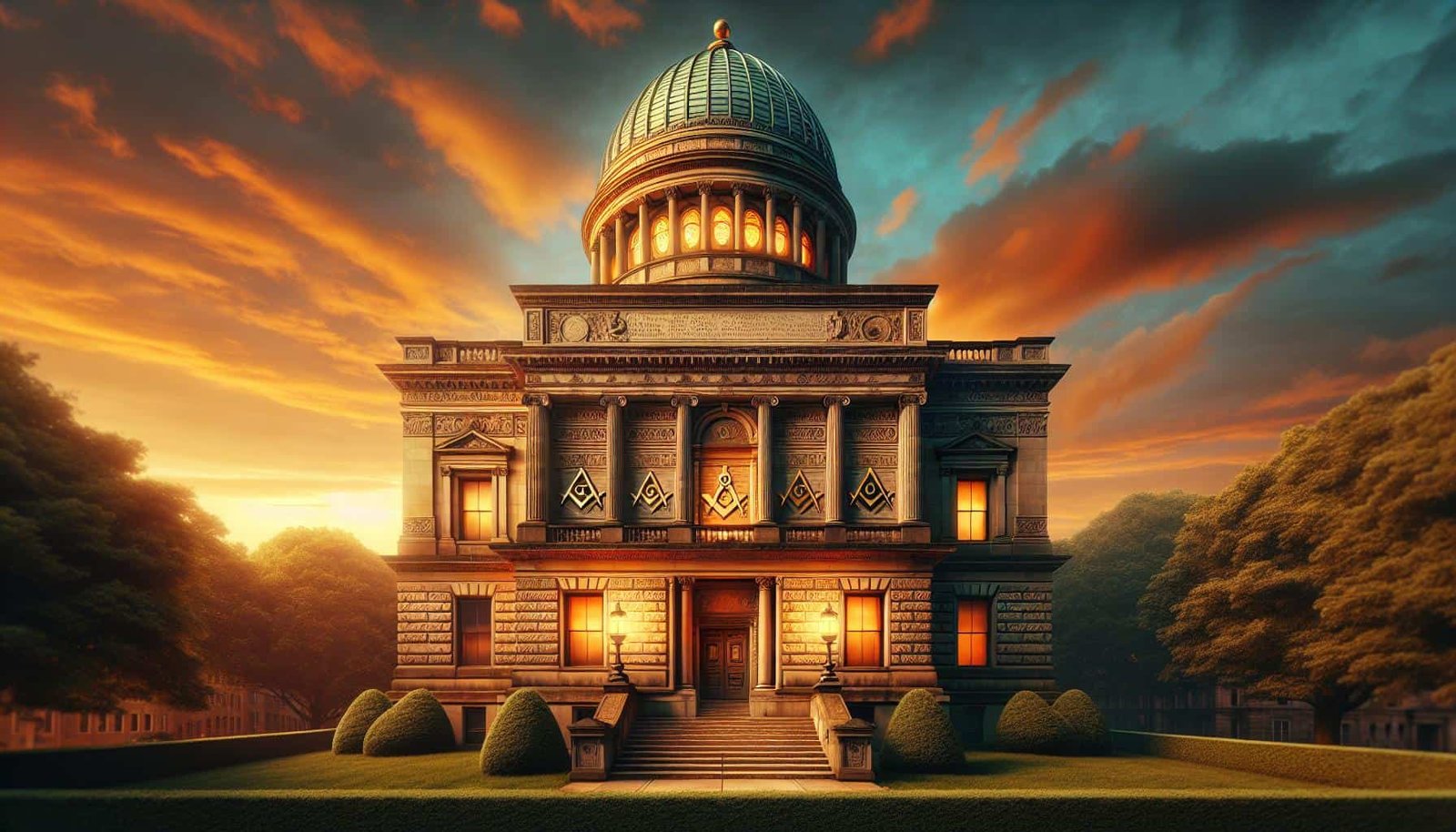
- Freemasonry: Freemasons have a long history of incorporating symbols into their lodges, like the square and compass. These emblems aren’t just decoration; they represent moral lessons and the quest for knowledge. Look closely, and you might spot these symbols in city buildings, hinting at a deeper meaning behind their facades.
- Rosicrucians: The Rosicrucian movement brought a blend of mysticism and philosophy into architecture. Their designs often feature intricate geometrical patterns, reflecting their belief in universal truths. You can find these motifs in many historical structures, suggesting a hidden narrative about enlightenment and existence.
- The Knights Templar: Structures attributed to the Knights Templar often showcase fortified designs, imbued with cryptic symbolism. For instance, many churches have unique orientations, aligning with celestial events. By examining the Templar influences in these buildings, you can uncover their connection to ancient knowledge.
- Dark Academia: The aesthetic of Dark Academia often finds resonance in the architecture inspired by secret societies. Libraries, cloisters, and old universities exude an air of mystery, charming those who appreciate classical learning. Such spaces not only offer beauty but also remind you of the hidden stories waiting to be discovered.
Exploring architectural wonders can reveal much more than meets the eye. Dive deeper into the world of Dark Academia Codex, where you’ll find more about these intriguing connections and their influence on our aesthetic appreciation of knowledge and power.
Understanding the Role of Secret Societies in Architecture
Secret societies have profoundly influenced architectural trends and styles, intertwining their philosophies with design elements to create structures rich in meaning and symbolism.
I suggest you read How ivy league architecture fuels dark academia’s charm
Definition of secret societies
Secret societies are organizations shrouded in mystery, often marked by exclusive memberships and unique rituals. These groups, like the Freemasons or Rosicrucians, have historically sought to safeguard and transmit esoteric knowledge. They typically operate under a veil of secrecy, revealing their principles and beliefs only to initiates. Their architectural contributions often reflect their core values, with symbols embedded within their designs to convey hidden messages. For instance, Masonic lodges incorporate elements that symbolize moral teachings and the pursuit of enlightenment, inviting members and even the curious public to contemplate the deeper meanings behind the structures.
Historical influence on architecture
Secret societies have left an indelible mark on architectural history. These organizations influenced the design of countless iconic buildings. The Freemasons, for example, played a crucial role in shaping governmental structures in America, like the United States Capitol. Their use of sacred geometry and ancient symbols aligns with their overarching philosophies, which emphasize harmony and order. Similarly, the Knights Templar built impressive fortifications that not only offered protection but also conveyed their spiritual beliefs through orientations that aligned with celestial events.
You can see how their influence extends beyond physical structures into the concept of Dark Academia, where the appreciation for classical learning and art is infused with an air of mystery. Their work serves as a reminder that architecture isn’t just about aesthetics; it’s a canvas for hidden stories and philosophies. Explore the sections of Dark Academia Codex for further insights into how these influences manifest within the world of architecture and beyond.
I suggest you read 7 eerie ivy league libraries that inspire dark academia secrets
Exploring Prominent Secret Societies
Investigate into the captivating world of secret societies, where architecture serves as both a canvas and a code. These organizations have embedded their philosophies into the very structures we admire today.
Freemasons and their symbolism in architecture
Freemasons are renowned for embedding rich symbolism in their architectural designs. Buildings like the United States Capitol showcase their use of sacred geometry, representing deeper moral lessons and the pursuit of knowledge. The square and compass, prominent Masonic symbols, underscored the importance of balance and harmony in life.
Consider Masonic lodges, which often feature hidden symbols within their layouts. Their intricate designs reveal a narrative of enlightenment and fraternity, attracting those intrigued by their esoteric teachings. By understanding these symbols, you unlock a deeper appreciation for the architectural marvels that surround you.
I suggest you read The morbid beauty of ivy league cemeteries and memorials
The Rosicrucians and their mystical designs
Rosicrucians contribute a unique mystique to architectural spaces, utilizing geometry to express universal truths. Their designs often evoke a sense of wonder, seamlessly blending beauty with intricate patterns that resonate with the principles of Dark Academia.
Take, for example, various libraries and chapels influenced by Rosicrucian ideals. Their detailed carvings and layouts reflect a harmonious relationship between the structure and its spiritual foundations. As you explore these architectural wonders, you encounter a dance of knowledge and aesthetics that invites contemplation and curiosity.
The Illuminati and their architectural footprints
The Illuminati, often shrouded in mystery, leave behind distinct architectural footprints that spark intrigue. Their influence can be spotted in various public spaces, where symbols hint at hidden connections to power and knowledge.
Iconic structures, such as certain government buildings, may contain elements designed to reflect an underlying philosophy. Exploring these designs, you may discover how the Illuminati crafted environments that fostered both enlightenment and control. Their legacy continues to captivate those with an appetite for mystery and the allure of the unknown.
Explore more about the fascinating ties between architecture and secret societies through the Dark Academia Codex, where rich aesthetics meet the exploration of knowledge and history.
Analyzing Architectural Features Linked to Secret Societies
Exploring architectural elements tied to secret societies reveals fascinating insights into their hidden meanings and influences. Each design choice reflects a deeper philosophy, inviting you to ponder their significance.
Hidden symbols in building facades
Architectural facades often conceal intricate symbols associated with secret societies. Freemason lodges frequently showcase symbols like the square and compass, representing moral integrity and enlightenment. You might notice these symbols skillfully integrated into stonework or decorative elements, turning ordinary structures into profound statements. Rosicrucian buildings, on the other hand, embrace alchemical imagery and geometrical forms, evoking a sense of mystery. Through detailed observation, you can uncover the stories these symbols tell about knowledge, power, and their esoteric practices.
Unconventional layouts and designs
Secret societies often favored unconventional layouts that embody their beliefs. For instance, the Knights Templar constructed their churches and fortifications with significant alignments to astronomical events, connecting the earthly with the celestial. You may find circular designs or unique floor plans that encourage a sense of journey or discovery, echoing the intellectual pursuits championed by the Dark Academia Codex. These architectural features aren’t merely aesthetic; they serve as a physical manifest of the society’s values and ideologies, subtly guiding you through spaces filled with historical richness.
Use of specific materials and colors
Material choices and color palettes reflect the philosophies of secret societies. The use of stone, for example, often conveys permanence and strength. Many Masonic lodges use dark woods and rich colors, creating an atmosphere that is both solemn and inviting. Colors like deep blue and gold often symbolize knowledge and enlightenment, further connecting with the themes embraced by Dark Academia. By examining these choices, you can appreciate how they enhance the emotional and intellectual experience of the architecture, encouraging exploration and contemplation.
Dive deeper into these fascinating connections by exploring more sections of the Dark Academia Codex. You’ll gain insights that help illuminate the beautiful blend of knowledge, art, and mystery inherent in this rich aesthetic.
Investigating Notable Structures and Their Connections
Explore how notable structures intertwine with secret societies, giving you a glimpse into the concealed narratives that shape our urban landscapes. Each landmark tells a story, filled with hidden symbols and purposeful designs.
The United States Capitol building
The United States Capitol is more than just a seat of government; it’s a testament to the Freemasons’ influence. Within its iconic dome, sacred geometry plays a vital role in its design. Consider the way the compass and square—symbols of morality and knowledge—find their place throughout the building’s structure. Each statue and mural unfolds a story that echoes the Masonic narrative of enlightenment.
Often overlooked, the Capitol’s floor exhibits patterns that resonate with the principles of balance and harmony. Take a closer look at the rotunda, where the frescoes depict American ideals, subtly influenced by Masonic philosophy. This space not only serves a political purpose but also invites contemplation, echoing the essence of the Dark Academia Codex in its architectural elegance.
The Louvre pyramid in Paris
The Louvre Pyramid, designed by I. M. Pei, serves as both an entrance and a symbolic representation of knowledge. Its glass structure, in stark contrast to the surrounding classical architecture, mirrors the dualities of enlightenment and secrecy. You can see how the pyramid shape itself holds historical connections to ancient wisdom, reminiscent of esoteric beliefs often linked to secret societies.
Intriguingly, the pyramid’s orientation aligns with the cardinal directions, enhancing its mystique. As you stand before this modern marvel, reflect on the way the transparent materials invite you to peer into the treasures of the past. The interplay of light within the pyramid captures the essence of academic pursuit, harmonizing with the rich aesthetic of Dark Academia.
The Great Pyramid of Giza
The Great Pyramid of Giza stands as a monumental testament to the power and knowledge of ancient civilizations, often attracting the attention of secret societies. This architectural wonder isn’t just a tomb; it’s a complex system aligned with astronomical phenomena. Imagine the precision in its construction—an embodiment of the ancient Egyptians’ profound understanding of mathematics and cosmology.
The pyramid’s orientation toward the stars signals a deeper connection to the energy of the universe, promoting a sense of harmony and balance. Consider this: many secret societies have drawn inspiration from its design, intertwining their beliefs with the monumental structure. As you explore its history, recognize how it continues to inspire modern interpretations of knowledge and beauty, mirroring the values found within the Dark Academia Codex.
For deeper insights into these connections and more, jump into the main sections of the Dark Academia Codex website and explore the beauty of learning, literature, and art in academic life.
Exploring the intricate relationship between secret societies and architecture opens up a intriguing area of hidden meanings and historical significance. You’ve uncovered how these groups have left their mark on iconic structures, embedding their philosophies into the very fabric of design.
As you continue to observe architecture around you, consider the layers of symbolism that may lie beneath the surface. Each building tells a story that intertwines knowledge, power, and artistry, inviting you to investigate deeper into their mysteries.
By recognizing these hidden clues, you can appreciate not just the beauty of these structures but also the profound ideas they represent. Your journey into this area enriches your understanding of how architecture can serve as a silent witness to the complexities of human thought and society.
