
How To Spot Gothic Revival Gems On Your Campus Tour
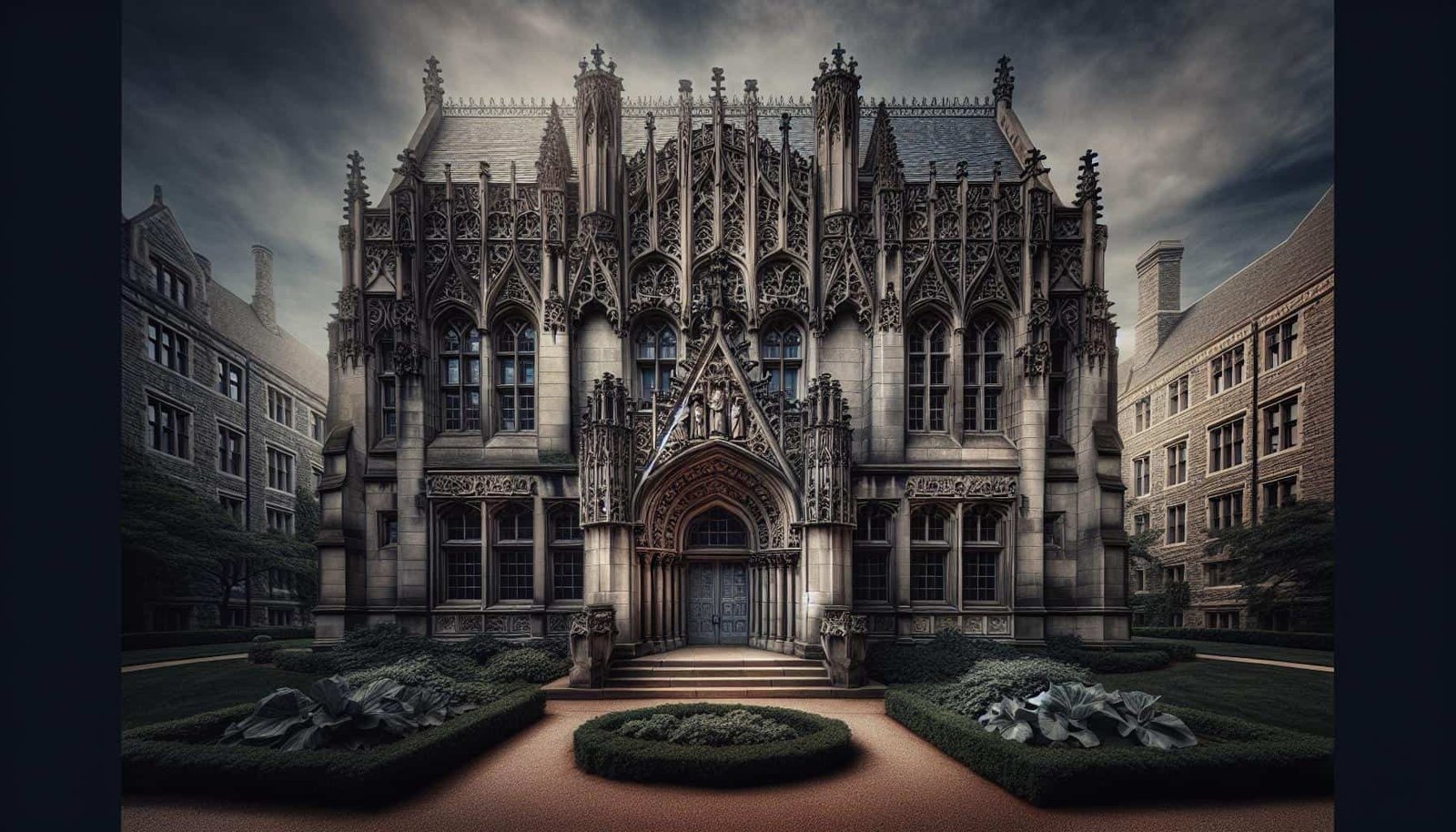
Spotting Gothic Revival gems during your campus tour promises an enriching experience. Begin with your eyes on the details. Seek out pointed arches and exquisite tracery in the windows. These elements reflect the distinctive Gothic style and enhance the building’s character.
Look for elaborate spires and decorative finials that reach skyward. These vertical lines draw the eye upward, creating a feeling of aspiration and grandeur. Notice the stone carvings—mythical creatures and historical figures often tell stories of the past. Each sculpture plays a role in the narrative of academic life.
Step back when admiring the buildings. Perceive how the symmetrical layouts and ornate facades blend with the surrounding environment. Feeling the harmonic connection between art and nature is part of the Gothic Revival allure.
I suggest you read The forbidden tunnels beneath Princeton’s campus
Observe whether the buildings evoke a sense of history. Think of the scholars and poets who once roamed these halls, surrounded by a rich world of knowledge and creativity.
Maintain an adventurous spirit. Challenge yourself to find hints of the Dark Academia Codex within your surroundings. Discover where the essence of classical learning thrives. Wander the campus and allow each architectural detail to inspire a deeper appreciation for the past.
Explore more on your journey. Jump into other sections of the site for insights and inspiration related to Dark Academia. Experience the beauty of academic life in every nook and cranny.
I suggest you read Gargoyles and grotesques: explore ivy league facades today
Understanding Gothic Revival Architecture
Gothic Revival architecture captures an exhilarating blend of beauty, complexity, and intellectual depth. This style emerged in the late 18th century, drawing inspiration from medieval Gothic structures. You will encounter captivating details that enchant the senses and fuel an appreciation for classical learning.
Key characteristics of Gothic revival
Identifying Gothic Revival gems involves observing several striking characteristics.
- Pointed arches create a sense of height and aspiration, leading your eyes upward.
- Exquisite tracery adorns windows with intricate designs. These patterns invite curiosity and admiration.
- Elaborate spires reach towards the sky, symbolizing both architectural and philosophical pursuits.
- Decorative finials add complexity and elegance, often showcasing motifs relevant to academic life.
- Stone carvings depict mythical creatures or historical figures, each telling a story tied to the essence of the Dark Academia Codex.
These elements offer a glimpse into the rich narratives embedded within each structure.
I suggest you read Unveiling the occult symbols in Yale’s Sterling Memorial Library
Historical context
Understanding the historical backdrop of Gothic Revival heightens your appreciation for the aesthetic. This architectural movement blossomed during a time of romanticism and renewal of interest in medieval culture. Scholars and artists sought to reconnect with the past, resonating with ideals of morality and beauty.
Universities and colleges adopted this style to convey a sense of gravitas and academic rigor. Buildings constructed in this period weren’t merely functional; they evoked an atmosphere steeped in history and knowledge.
As you explore your campus, remember, each brick and stone contributes to a legacy that honors past scholars. Engage deeply with the structures surrounding you. Seek out the layers of meaning hidden within their designs, as they hold an endless fascination aligned with the principles of the Dark Academia Codex.
Dive deeper into the enchantment of Dark Academia and discover more on the website’s main sections and blog. Your journey continues towards uncovering beauty in education and art.
Preparing for Your Campus Tour
Embarking on a campus tour is an exhilarating journey, especially when on the hunt for Gothic Revival gems. Being prepared maximizes your adventure.
Researching your campus architecture
Explore the rich history of your campus architecture before your visit. Investigate the specific buildings that showcase Gothic Revival elements. Look for pointed arches, intricately detailed stone carvings, and soaring spires that evoke a sense of grandeur. Use online resources, library archives, or campus websites to gather insights. Join local forums or groups that celebrate Gothic Revival architecture. Many universities have historical societies or collections that provide insights about architectural styles and their significance. Mapping out key sites creates a focused itinerary. Knowing which buildings to prioritize enhances your experience.
Materials to bring
Pack essentials for your campus tour that enhance your exploration. Bring a notebook to jot down observations and sketches of architectural details that catch your eye. A camera captures striking features and moments that resonate with the aesthetics of Dark Academia. Add comfortable walking shoes; you’ll uncover gems around every corner. Weather-appropriate attire ensures comfort throughout your exploration. Consider bringing a guided book or resources to reference on the go, enhancing your understanding of architectural history. Sharing findings with fellow explorers sparks enriching discussions, deepening your appreciation for the beauty of academic life.
Explore the main sections of Dark Academia Codex for deeper insights and inspiration, celebrating the intersection of classical learning and art.
Identifying Gothic Revival Features
Spotting Gothic Revival features during your campus tour requires a keen eye for detail. Focus on distinguishing characteristics that tell the story of this unique architectural style.
Distinctive elements to look for
Pointed arches shape entrances and windows, drawing your gaze upward and inviting a sense of wonder. Exquisite tracery adorns these openings, often featuring intricate patterns that celebrate the craft of the builders. Spires rise majestically above the rooftops, enhancing the verticality typical of Gothic Revival architecture. Decorative finials perched atop these structures add fineness and elegance, resembling the delicate touch of an artist’s brush.
Stone carvings provide further intrigue. They often depict mythical creatures or historical figures, intertwining rich stories of academia and art. For example, you might find an owl, symbolizing wisdom, intricately chiselled into a facade. Pay attention to gargoyles—they serve both decorative and practical purposes, directing rainwater away and adding a touch of gothic whimsy.
As you explore, step back to appreciate how these elements harmonize with their surroundings. The interplay of light and shadow on stone surfaces can evoke a moody atmosphere, perfect for a setting inspired by Dark Academia. Every feature you identify enriches your understanding of the layered history and beauty encapsulated in these architectural gems.
Feel inspired? Investigate deeper into Dark Academia Codex for more insights into the aesthetics and narratives behind these captivating structures.
Common Materials Used
Identifying Gothic Revival gems not only involves spotting architectural features but also recognizing the materials that contribute to their stunning appearance. Various materials define this style and reflect the era’s craftsmanship.
Stone plays a paramount role. You’ll encounter limestone or sandstone, commonly used for creating elaborate facades and intricate sculptures. These stones weather beautifully, offering a majestic look that conveys age and history. Gothic Revival buildings often feature rich textures that add depth to their visual appeal.
Brick appears in some instances, providing a warm color palette. Look for red or brown bricks that harmonize with stone elements, showcasing a blend of materials. This combination enhances the buildings’ robust structure and enhances their grandeur.
Slate also garners attention, particularly as roofing material. Its natural hues contribute to the dramatic silhouette of spires and towers. When the sun sets, these roofs emit a moody atmosphere indicative of Dark Academia.
Wood often frames doors and windows, featuring intricate carvings that narrate stories of the past. You’ll notice craftsmanship that adds elegance to the buildings, inviting you to jump into the layers of academic legacy.
Popular Gothic Revival Buildings on Campus
Embarking on a campus tour allows for the discovery of stunning Gothic Revival architecture that embodies the essence of Dark Academia. Seek out these remarkable structures to deepen your appreciation for classical learning.
Notable examples
- University Library
The library showcases magnificent pointed arches and intricate stone carvings. Spaces evoke inspiration and contemplation, making it the intellectual heart of the campus. - Main Hall
Main Hall features dramatic spires and lovely tracery. Iconic in its grandeur, this building serves as a gathering place for discussions that echo scholarly pursuits, connecting you to the timeless tradition of academia. - Arts Building
The Arts Building captivates with its elaborate facade and decorative finials. Within its walls, creativity flourishes, and its history intertwines through the years, offering a glimpse into the minds of past artists and scholars.
- Science Building
This structure often gets overlooked. Its Gothic elements quietly shine, boasting detailed stonework and an inviting ambiance that encourages discovery and learning. - Old Clock Tower
This charming tower stands as a sentinel of time. Embrace its unique character with ornate decorations, serving as a reminder of past scholars who sought knowledge within the campus. - The Garden Pavilion
Hidden amidst lush greenery, the Garden Pavilion offers a serene escape. Its Gothic Revival design enhances the beauty of nature, making it a perfect spot for reflection and study on a warm day.
Remember to explore these architectural treasures during your campus adventure. For more insights into Gothic Revival architecture and the Dark Academia aesthetic, investigate deeper into the Dark Academia Codex. You’ll uncover more captivating stories, designs, and inspirations that reverberate through academic life.
Tips for an Effective Campus Tour
Exploring your campus shouldn’t feel like a mundane task. Instead, it can transform into an exhilarating journey through architecture and history. Focus on these key tips to enhance your experience.
Timing your visit
Timing can dramatically influence your campus tour experience. Aim for early morning or late afternoon when natural light creates captivating shadows on Gothic Revival structures. These moments reveal intricate stone carvings and stunning details often overlooked. Consider local weather conditions, as an overcast day can accentuate the moodiness of these buildings.
Weekdays tend to attract fewer crowds, allowing for quieter exploration. Schedule your visit during campus events or open houses to engage with guided tours, revealing deeper insights into the architectural marvels you encounter. Keep an eye on the campus calendar for special lectures or presentations; immersing yourself in the atmosphere fosters a richer connection to the history embedded in these academic gems.
Engaging with guides and locals
Engaging with guides and locals adds a vibrant layer to your experience. Knowledgeable guides often share hidden stories and specific details about buildings, enriching your understanding of Gothic Revival elements.
Strike up conversations with fellow students or faculty members. Ask about their favorite structures and their significance. You’ll uncover personal anecdotes that reveal the spirit of the campus. Inquire about local history groups or enthusiasts who can provide additional context about the architectural features you’re admiring. This connection deepens appreciation for the scholarly and artistic narratives entrenched in these spaces.
Troubleshooting: Common Issues When Spotting Gothic Revival Architecture
A keen eye enhances your campus exploration. But, spotting Gothic Revival architecture comes with challenges. Misidentifying styles and overlooking features commonly occur. Here’s how to troubleshoot these issues effectively.
Misidentifying styles
You might mistakingly attribute a building to the Gothic Revival style when it represents a different architectural movement. Sometimes, Romanesque structures mimic Gothic elements. Look closely at design nuances. For instance, rounded arches signify Romanesque influence, while pointed arches showcase true Gothic Revival traits. Pay attention to ornamentation. The elaborate detailing found in Gothic Revival includes intricate carvings and spires that showcase its distinct aesthetic.
Familiarize yourself with primary characteristics. Each architectural style embodies specific elements that tell its story. Seeing a tall, narrow structure? Examine the windows; Gothic Revival structures feature elongated, stained glass windows that invite light and air. Spot the use of flying buttresses or ornate spires? These elements are telltale signs of Gothic Revival architecture.
Overlooked features
Stay vigilant as you explore; small details often define the architectural character. Overlooking features such as decorative finials or traceried windows may occur during a quick pass by. Walk slowly; appreciate the interplay of light and shadow as it dances across carvings. A gargoyle here or an owl there can enhance your understanding of the building’s history and purpose.
Look for elements that evoke emotion. Stone carvings depicting mythical creatures or academic symbols play a vital role in interpreting the narrative of the space. These artistic features embody the essence of Dark Academia, welcoming you into a world rich in literature and history.
Actively engage with your surroundings. Capture images of details and make notes for further exploration later. As you uncover hidden beauty, connect with the spirit of the Dark Academia Codex. Dive deeper into our content for an enriching experience that celebrates classical learning and aesthetics.
You’ve got the tools and tips to begin on an exciting adventure through your campus’s Gothic Revival treasures. Each building is a chapter in a story waiting to be uncovered. As you explore these majestic structures keep your eyes peeled for those enchanting details that make them unique.
Remember to engage with your surroundings and let your curiosity lead the way. Whether you’re snapping photos or jotting down notes you’re not just observing architecture; you’re connecting with a rich world of history and artistry. So lace up those walking shoes and jump into the world of Gothic Revival gems. You never know what hidden wonders you might discover!
